Newsom unveils broad California AI regulation proposal, without kill-switch mandate
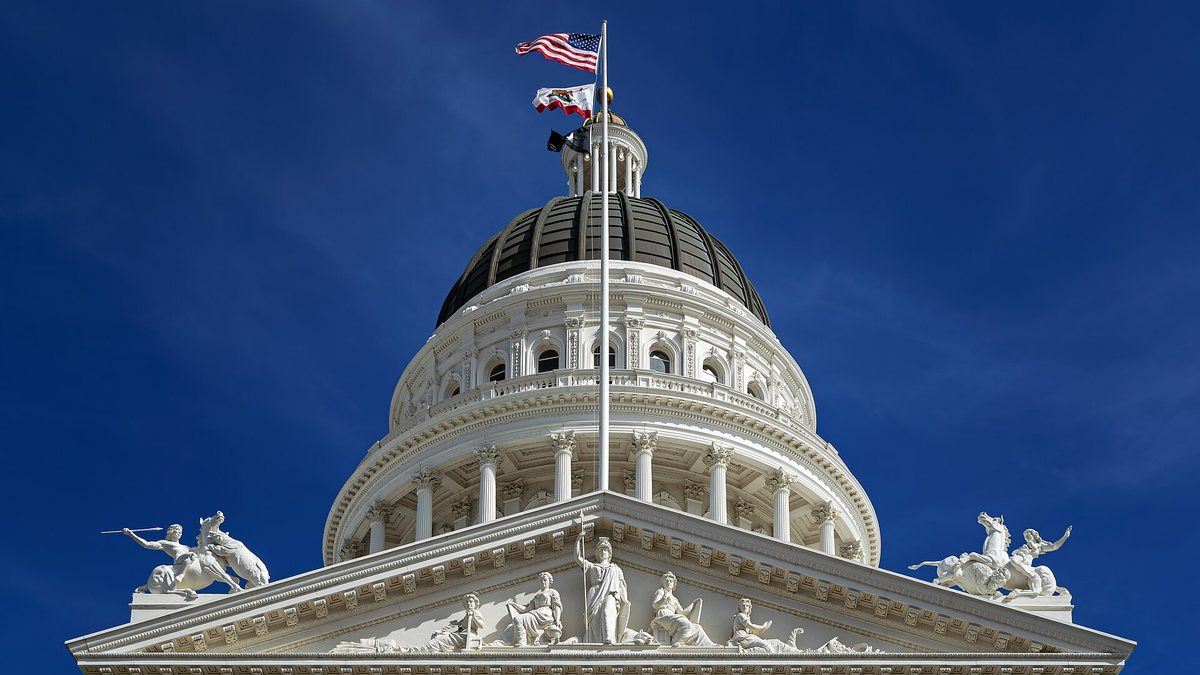
California Governor Gavin Newsom on Wednesday unveiled a proposal that would give the state broad authority to regulate the AI industry and impose strict safety measures. The proposal stops short of requiring the development of kill switches, according to Politico’s report. It is a proposal, not enacted law, and the available account does not specify its scope, enforcement mechanism or legislative timeline.
Verified and unconfirmed
- Verified: Politico reported that Newsom unveiled the proposal on Wednesday and that it would give California broad powers to regulate the AI industry and impose strict safety measures while not requiring kill switches.
- Not yet confirmed: The proposal’s specific scope, enforcement powers, legislative path and timing; the available account is a brief summary linking to Politico, not the proposal text.
Background
California already has an AI safety framework, and the governor’s office cast Wednesday’s plan as strengthening it: in its own summary of the announcement, it lists recommendations for mandatory safety standards, independent oversight of powerful AI models, emergency shutdown authority over dangerous systems, and limits on AI that can build more powerful versions of itself. In this policy debate a “kill switch” means a shutdown mechanism that must be built into a model itself, as opposed to authorities having the legal power to order a system taken offline — a distinction that explains why the proposal can grant emergency shutdown authority without mandating kill switches.
Why it matters
If enacted, the proposal would subject AI developers and deployers operating in California to state-level safety requirements, while leaving kill-switch mandates off the table; companies should watch the actual scope of the state’s authority rather than assume a specific kill-switch rule.
What to watch
Watch for the proposal’s legislative text or a formal bill introduction in the California Legislature, which would reveal the actual scope and enforcement powers.




Comments
Comments use a GitHub account and are moderated. Comment rules