US extends AI chip export controls to GPU rentals; China threatens countermeasures
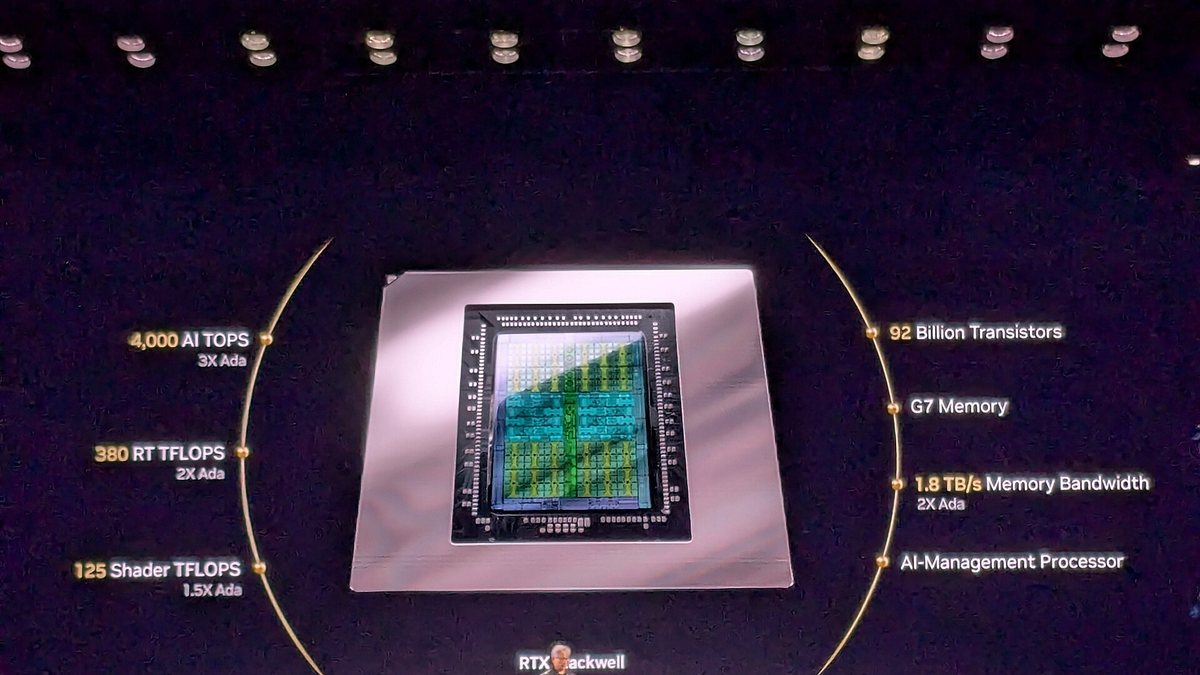
The Trump administration on Nov. 17 extended its existing export controls on high-end AI accelerators — including, but not limited to, Nvidia’s Blackwell lineup — so that renting such chips in large quantities to any country on the US D:5 list (nations embargoed from arms sales) now requires a license. The same update adds license requirements for selling the chips to Indonesia, Malaysia, Singapore, Thailand and Brazil, which the Commerce Department suspects are being used to route Blackwell cards to China. China’s Ministry of Commerce responded that it “will take countermeasures to firmly safeguard national sovereignty, security, and development interests,” without specifying what those would be. The move lands two days before President Trump is scheduled to meet President Xi Jinping in Shenzhen on Thursday, Nov. 19, during the APEC summit.
Verified and unconfirmed
- Verified: The U.S. Commerce Department’s Bureau of Industry and Security issued an Interim Final Rule on November 16, 2026 requiring licenses for remote access — renting compute from data centers in third countries — to advanced U.S. AI chips by entities tied to Country Group D:5 and Macau, according to Ashurst/Perkins Coie and TechPowerUp; China’s Ministry of Commerce published a statement saying it “will take countermeasures to firmly safeguard national sovereignty, security, and development interests.”
- Not yet confirmed: No specific Chinese countermeasure has been named — the response is a threat, not an enacted action. The report’s claim that sales to Indonesia, Malaysia, Singapore, Thailand and Brazil now also require licenses, and the rule’s effective date and enforcement mechanics, are not established by the BIS material available here; the report dates the rule to “yesterday” while BIS dates it November 16. Whether Trump and Xi meet on Thursday and what, if anything, they agree also remains open.
Background
The rental licensing requirement extends a rule the US Commerce Department issued only days earlier. AI Daily Radar’s November 16 digest reported that Commerce’s interim rule required export licenses for AI chips when the hardware could provide compute to China or other restricted countries, pushing controls beyond physical shipments to remote access, with Bloomberg reporting it targeted remote access from Singapore, Malaysia, Thailand, Indonesia and Brazil. Previously the controls governed the sale and shipment of accelerators, leaving open the possibility that Chinese firms could rent capacity in overseas data centers instead of buying chips; licensing large-volume rentals to D:5 countries is meant to close that route.
Why it matters
The change closes the main workaround for buyers in embargoed countries: renting capacity on Blackwell-class systems hosted abroad is now regulated like buying the hardware, so Chinese AI firms that depended on offshore rental must obtain a license or shift workloads to domestic accelerators such as Huawei’s Ascend. Operators of GPU rental and cloud capacity should check whether existing or pending large allocations to D:5 customers, or to buyers in the five newly listed transshipment countries, now need a license before capacity is committed.
What to watch
Watch the Trump–Xi meeting in Shenzhen on Thursday, Nov. 19, for whether Beijing names specific countermeasures. Two existing truces set deadlines: China’s suspension of new rare-earth export controls runs to Jan. 10, 2027, and its restrictions on gallium, germanium and antimony sales to the US are shelved until Nov. 2027.


Comments
Comments use a GitHub account and are moderated. Comment rules