EFF asks appeals court to require warrant for ALPR searches
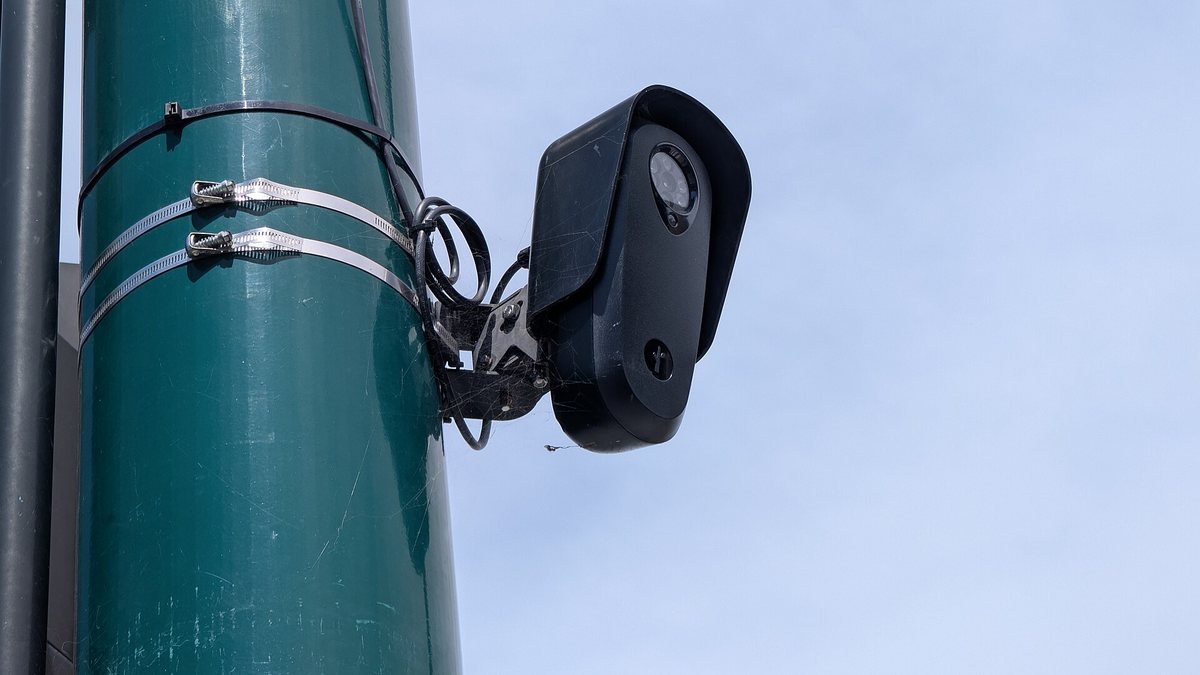
EFF has filed a brief asking an appeals court to hold that searching a networked license-plate reader (ALPR) system is a Fourth Amendment search, which would require a warrant. EFF argues that the “vast, interconnected network” of ALPR cameras continuously tracks drivers around the country. The filing is advocacy, not a court ruling, and no court has yet decided whether such searches require a warrant.
Verified and unconfirmed
- Verified: EFF says it filed a brief arguing that networked ALPR tracking is a Fourth Amendment search and should require a warrant.
- Not yet confirmed: whether the court will accept that argument or impose a warrant requirement; the item provides no case name, court, ruling, or decision date.
Background
ALPRs are automated cameras that photograph passing license plates and log where and when each plate was seen, creating searchable databases that can reconstruct a driver’s movements. Whether querying that networked data is itself a Fourth Amendment “search”—normally requiring a warrant or a recognized exception—is the question EFF has pressed in court, including before the California Court of Appeal. The issue is live in multiple jurisdictions: North Carolina’s statute permits warrantless plate searches, while courts continue to weigh constitutional limits.
Why it matters
A ruling in EFF’s favor would require law enforcement to obtain a warrant before searching historical ALPR data, affecting how agencies query camera networks that record plate sightings over time.
What to watch
Watch for the appeals court’s decision on whether to require a warrant for ALPR database searches. The item gives no case name, argument date, or expected ruling date.
Community discussion
Commenters broadly supported EFF’s argument, with several saying ALPR systems should retain only plates tied to active warrants. One commenter cited New Hampshire’s law, which bars bulk collection, limits capture to plates, and requires deletion of non-hit images within three minutes.
Further reading
- ALPR in the Courts - DeFlockILM
-
[Hearing Thursday: EFF Urges Appeals Court to… PressReleasePoint](https://www.pressreleasepoint.com/hearing-thursday-eff-urges-appeals-court-curb-police-access-alpr-databases)




Comments
Comments use a GitHub account and are moderated. Comment rules