US community solar confronts Solar for All funding limbo
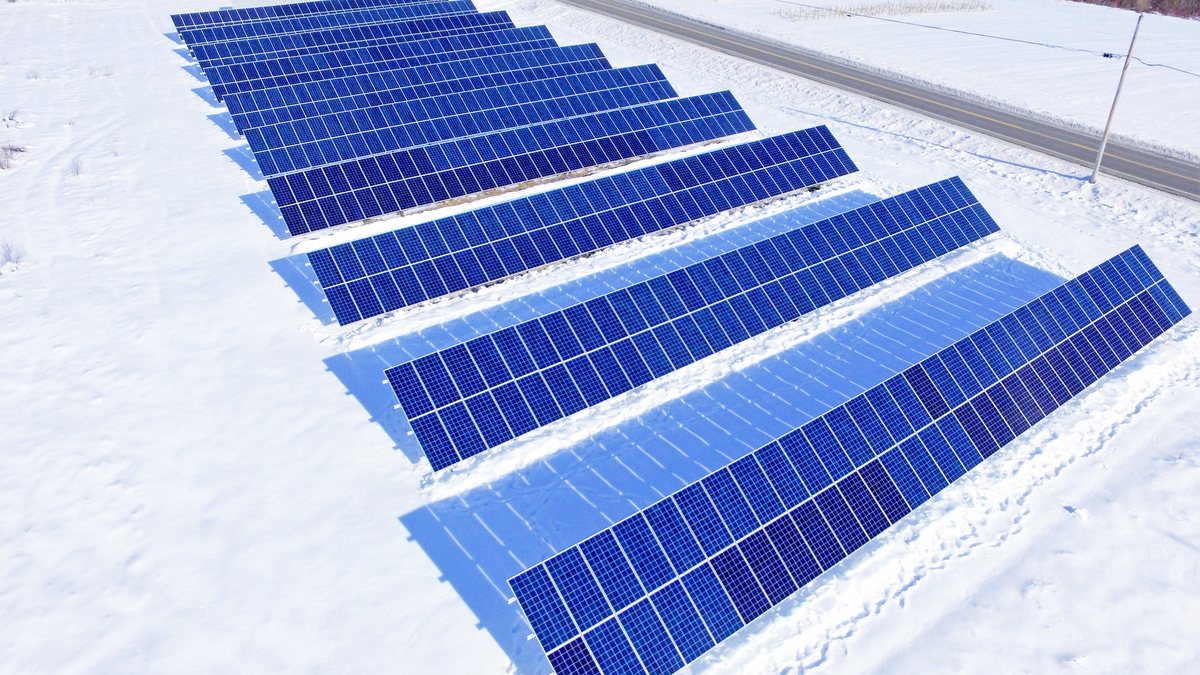
The fate of the $7 billion Solar for All program is still unresolved: the Environmental Protection Agency sent termination notices to all 60 awardees after the July 2025 Working Families Tax Cut rescinded unobligated Greenhouse Gas Reduction Fund money, but in September 2026 a US District Court judge in Rhode Island struck down the termination as unlawful, and several further lawsuits were pending when pv magazine went to print. Solar for All sits inside the $27 billion GGRF created by the 2022 Inflation Reduction Act; the administration had already terminated $20 billion of GGRF funding in March 2025, canceling awards to eight National Clean Investment Fund and Clean Communities Investment Accelerator recipients. Nate Hausman of the Clean Energy States Alliance says only a fraction of the $7 billion allocated in April 2024 had been deployed when the program stopped in August 2025, disrupting the multi-year project plans of developers, lenders and community organizations working to a five-year horizon. US community solar totaled roughly 11.5 GW across more than 4,280 projects as of January 2026, according to the National Laboratory of the Rockies’ Sharing the Sun dataset — including almost 4 GW in utility-driven Florida and close to 3 GW in New York — with Nexamp reporting strong demand concentrated in states with durable enabling legislation.
Verified and unconfirmed
- Verified: pv magazine reported that the EPA sent termination notices to all 60 Solar for All awardees after the Working Families Tax Cut law rescinded unobligated Greenhouse Gas Reduction Fund money, and that on September 18, 2026 a US District Court judge in Rhode Island ruled the termination unlawful — a ruling AP, Utility Dive and Columbia’s climate-law blog independently confirm, with the court vacating the EPA’s action and ordering the $7 billion program reinstated. The article also cites the National Laboratory of the Rockies’ Sharing the Sun dataset putting US community solar at about 11.5 GW across more than 4,280 projects as of January 2026.
- Not yet confirmed: how much of the $7 billion had actually been paid out before termination — CESA’s Nate Hausman says only “a fraction,” without a figure; whether projects and awardees will resume as planned, since pv magazine says several challenges to the termination were still in court when the issue went to print; and Nexamp’s “strong demand” and its secured pipeline of FEOC-compliant equipment, which rest on the company’s own account rather than disclosed figures.
Background
The Greenhouse Gas Reduction Fund (GGRF) was created by the 2022 Inflation Reduction Act with $27 billion, and its $7 billion Solar for All competition awarded grants to 60 recipients in April 2024 to build solar programs for low-income households; the EPA projected the program would lower energy bills for more than 900,000 households. The Working Families Tax Cut law then rescinded all remaining GGRF funds and, by the EPA’s reading, repealed its authority to administer the program, which the agency treated as grounds to terminate Solar for All.
Why it matters
Awardees, developers and lenders cannot treat Solar for All money as dependable while termination and litigation run in parallel, so project pipelines increasingly depend on state-level policy: Nexamp’s Kelly Friend says demand is holding up mainly in states with predictable bill-credit rules and workable interconnection, and she says the company is devoting substantial internal resources to complying with foreign entity of concern (FEOC) rules on domestic content sourcing alongside its suppliers.
What to watch
Watch the rulings in the remaining court cases challenging the Solar for All termination, which were still underway in courts across the country when the article went to print.
Further reading
- Two Courts, One Conclusion: EPA Unlawfully Terminated Solar …
-
[Judge says EPA illegally canceled $7B solar program AP News](https://apnews.com/article/climate-solar-for-all-trump-biden-lawsuit-0bae42fcf85906ea48ee0f6f4d6c83a9) - Federal judge restores $7B Solar for All program, says EPA …
-
[Greenhouse Gas Reduction Fund US EPA](https://www.epa.gov/aboutepa/greenhouse-gas-reduction-fund) - Four Solar For All Lawsuits: Two Distinct Forums and Legal Theories…
-
[EPA considers terminating $7B Solar For All program Utility Dive](https://www.utilitydive.com/news/epa-terminating-solar-for-all-grant-funding-ira-trump-zeldin/756928/)



Comments
Comments use a GitHub account and are moderated. Comment rules