Tesla seeks Texas tax break for $3.1 billion polysilicon plant
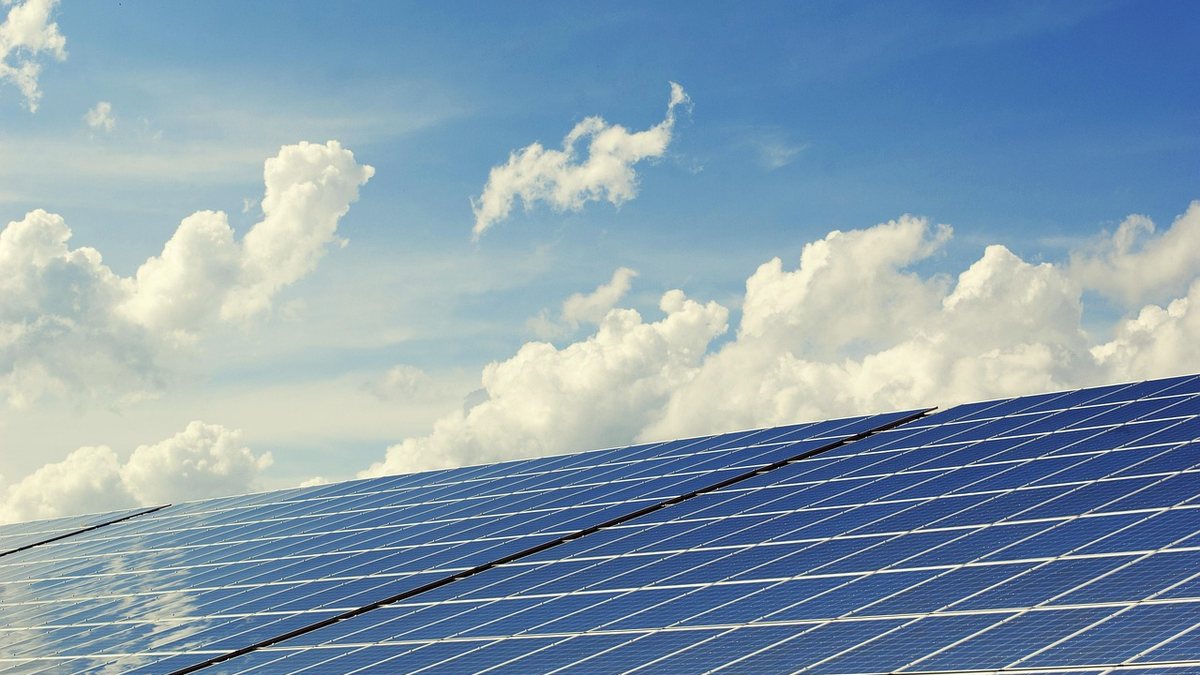
Tesla has applied to the Tuloso-Midway Independent School District for a Texas property-tax limitation under the state’s Jobs, Energy, Technology and Innovation (JETI) program for a proposed $3.1 billion polysilicon refinery near Robstown in Nueces County; the Texas Comptroller has published the application. Tesla calls the plant “under consideration for development” and says it would not make the investment in Texas without the agreement, while it assesses other jurisdictions. The plant is designed to make ultra-high-purity polysilicon for single-crystal silicon ingots and N-type high-efficiency solar cells, though the filing does not give production capacity. An EY analysis prepared for Tesla puts construction in 2027–2030, with $1.5 billion for engineering and construction, $1.4 billion for equipment and $183 million for utilities, and employment reaching 515 by 2032 at average total compensation of $130,000.
Verified and unconfirmed
- Verified: Tesla filed a JETI property-tax-limitation application with the Tuloso-Midway Independent School District for a proposed $3.1 billion polysilicon refinery near Robstown in Nueces County, Texas, and the Texas Comptroller of Public Accounts has published the filing, which states Tesla would not make the investment in the state without the agreement. The filing’s EY-prepared analysis budgets $1.5 billion for engineering and construction, $1.4 billion for equipment and $183 million for utilities, with building from 2027 to 2030, 260 workers in 2030 rising to 515 by 2032 at average total compensation of $130,000, and school-district taxable value cut to zero in 2028-2030 and halved from 2031 to 2040.
- Not yet confirmed: The plant is described in the filing as “under consideration for development,” with Tesla assessing other jurisdictions; the filing gives no production capacity or final site decision, the Comptroller’s review and approvals by the Governor’s Office and the school board are still outstanding, and the $63.5 billion economic-output figure through 2065 is EY’s projection rather than a measured result.
Background
Polysilicon is the purified silicon feedstock that gets melted into ingots, sliced into wafers and processed into solar cells; Tesla’s filing states that more than 90% of the world’s solar-grade polysilicon is produced in China. Texas’s JETI program lets a local school district and the governor’s office grant limits on school property taxes in exchange for large capital investment, subject to Comptroller review. Tesla has already used the same route for Project Crystal Sun, a proposed $10.1 billion solar cell and module factory in Fort Bend County that pv magazine reported cleared a key hurdle in September when its local school board backed the tax limitation.
Why it matters
The proposed refinery would give U.S. solar cell manufacturers a domestic source of ultra-high-purity polysilicon, but not in time to affect near-term sourcing: construction is scheduled for 2027–2030, with full operation only in 2032, after Section 232 tariffs and minimum import prices on polysilicon take effect on Dec. 4. Tesla also conditions the project on the JETI tax abatement, which still requires Comptroller review and approval by the Governor’s Office and the Tuloso-Midway school board; the filing says Tesla is assessing other jurisdictions.
What to watch
Watch the Texas Comptroller’s review and whether the Tuloso-Midway school board and the governor approve a JETI agreement; the filing says the project would not proceed in Texas without it. Separately, US Section 232 tariffs and minimum import prices on polysilicon take effect on Dec. 4.
Comments
Comments use a GitHub account and are moderated. Comment rules