UNSW prototypes three-minute lithium-ion battery health test
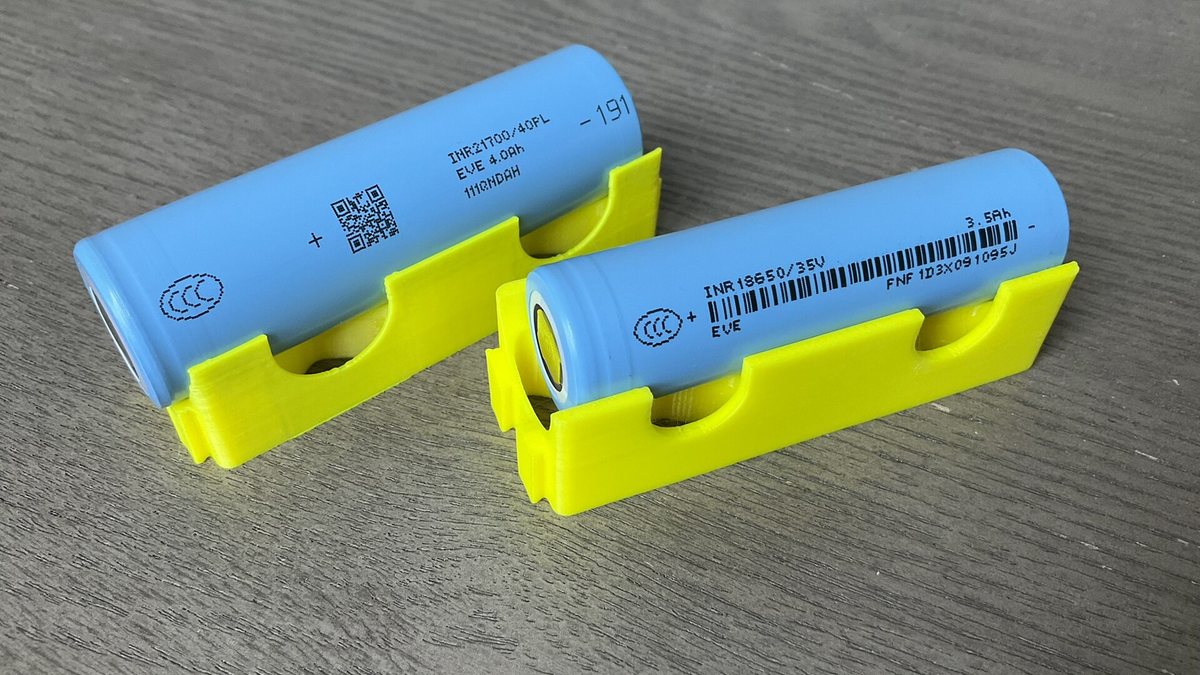
University of New South Wales researchers have prototyped a three-minute lithium-ion battery health test that they say is 95.5% faster and more than 80% cheaper than the roughly 10-hour full charge-discharge testing used today, which costs about AUD 120 per EV battery pack. The system sends short electrical pulses through individual cells and uses statistical models to estimate health in under three minutes per cell, with more than 90% accuracy in lab tests; it is designed for LFP, NCA, and NMC chemistries and to work with battery-management systems already used by recyclers and storage operators. The researchers are targeting a cost under AUD 25, but the results remain prototype and lab claims rather than independently validated or commercially deployed performance. UNSW and DY New Energy have partnered on an AUD 1.3 million project to test the approach on more than 500 batteries in real-world conditions, alongside a machine-learning reuse-or-recycle decision engine and an iBMS module for real-time monitoring.
Why battery health checks are slow
A used EV battery’s state of health determines whether it is suitable for second-life use in stationary storage or should go to recycling. The conventional check requires a full charge–discharge cycle, which takes about 10 hours and places aged cells under sustained stress.
Impact
For recyclers and second-life storage operators, the near-term test is operational: the platform is meant to handle mixed, unsorted LFP/NCA/NMC batches and connect to existing battery-management systems, so the planned 500-plus-battery field trial must show that the lab’s more-than-90% accuracy holds on the packs operators actually receive.