Yanhe Technology puts three perovskite solar module types in orbit
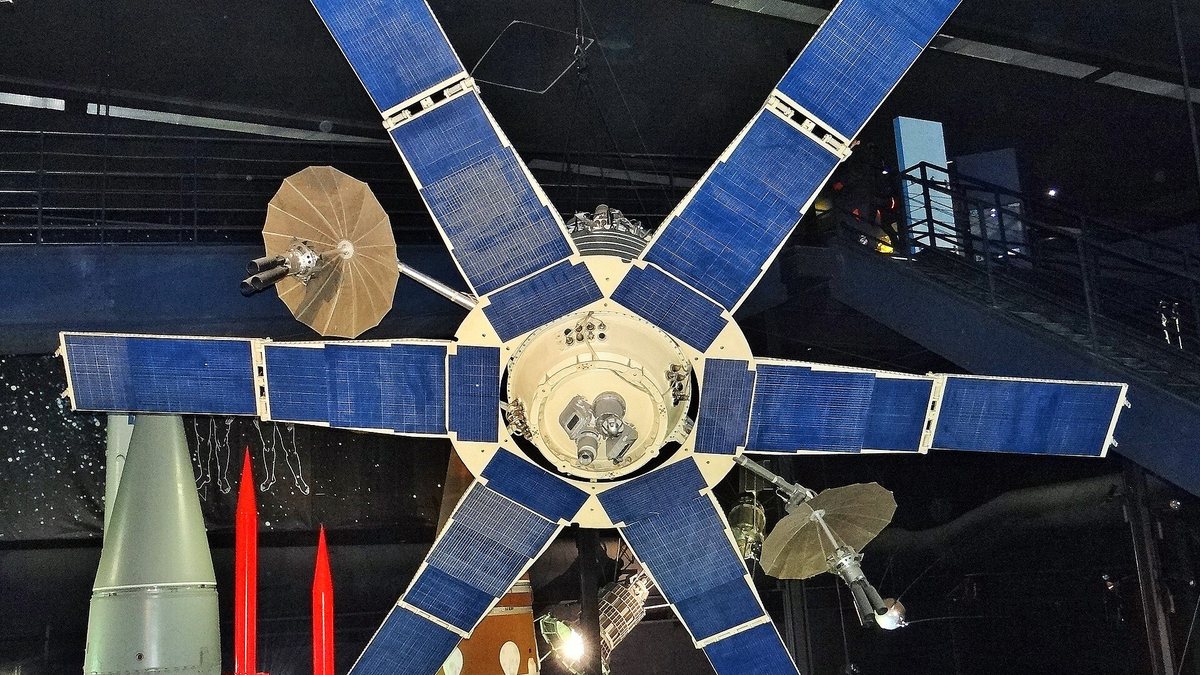
Yanhe Technology launched three independently developed space photovoltaic modules on Nov. 7 into a 535 km sun-synchronous orbit aboard Galactic Energy’s Ceres-2 Y3 rocket from the Jiuquan Satellite Launch Center. Two tandem modules — perovskite-crystalline silicon and perovskite-CIGS — are mounted on the North University of China-1 satellite, which flies a dawn-dusk orbit with near-continuous sunlight, while a flexible single-junction perovskite module rides on Yunyao-1 28 for imaging during thermal cycling and monitoring of degradation from particle radiation and atomic oxygen. The company called it China’s first simultaneous in-orbit validation of three perovskite-based PV technologies, but did not disclose conversion efficiencies, rated power, active areas, or weights, and has not specified how long the monitoring campaign will run or how much telemetry is expected. The mission follows a September deployment of a flexible perovskite module on the Tianyi-52 satellite, which Yanhe described as China’s first component-level in-orbit test of flexible perovskite PV.
Why perovskites in orbit
Perovskite solar cells are thin-film photovoltaic devices that can be made lightweight and potentially cheap, while a tandem module stacks a perovskite layer on another absorber—crystalline silicon or CIGS (copper indium gallium selenide)—to capture more of the solar spectrum. Spacecraft conventionally use III-V gallium arsenide cells, and the open question for perovskites is whether they can retain performance under radiation and repeated thermal cycling. Yanhe’s September campaign put a flexible perovskite module on the Tianyi-52 satellite; the new flight adds two tandem designs and a second flexible single-junction device.
Impact
The three-way comparison is meant to show satellite power designers whether perovskite tandems can compete with the III-V gallium arsenide cells commonly used in satellite power systems, and Yanhe is assessing the fully thin-film perovskite-CIGS design for flexibility and radiation resistance relative to silicon-based tandems. Until efficiencies and degradation data are published, however, the architectures remain unproven under prolonged radiation exposure and repeated thermal cycling, the conditions the mission is designed to test.