SpaceX catches Starship upper stage at launch tower for first time
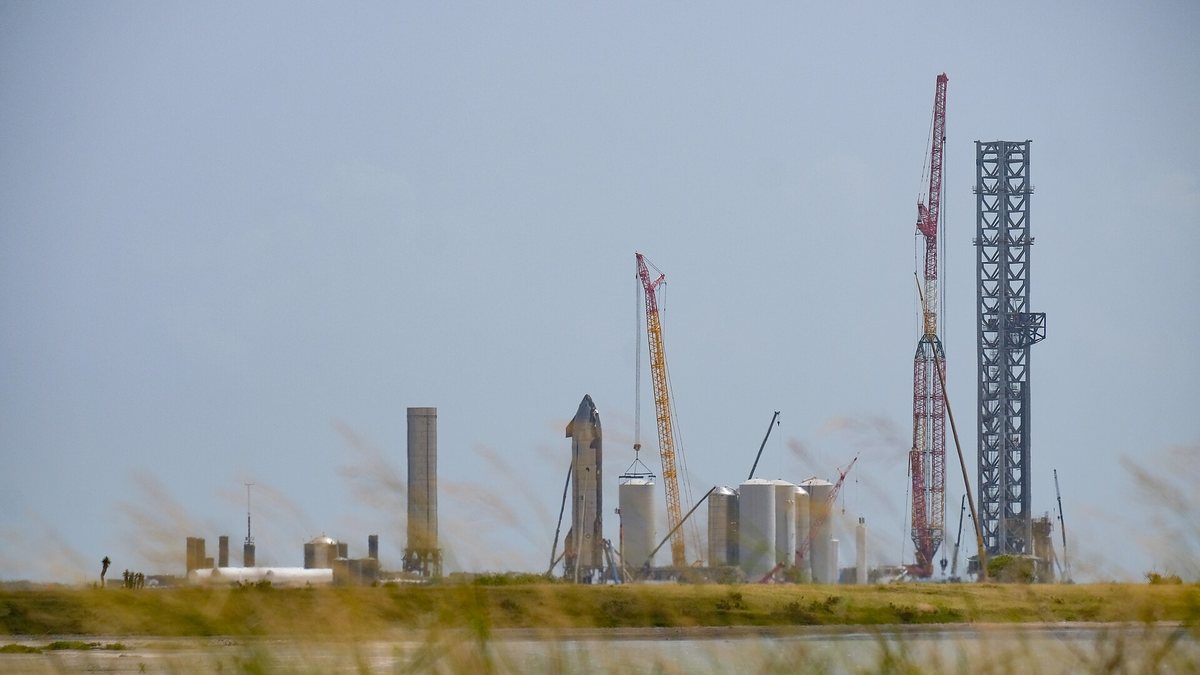
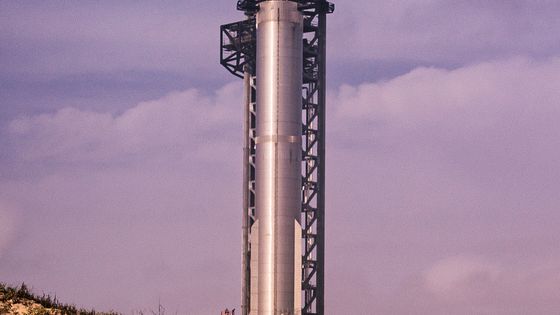
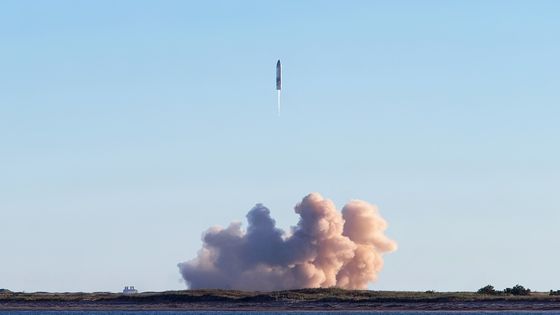
SpaceX caught the Starship upper stage, Ship 42, with the chopstick arms of its Starbase launch tower on Nov. 14, 2026, about 22.5 hours after liftoff—the first time an orbital rocket’s upper stage has returned to its launch site and been caught. Ship 42 reached orbit, deployed all 26 Starlink V3 satellites, and used three camera-carrying satellites to inspect its heat shield; SpaceX said the images looked good enough to pass on a backup splashdown, and the ship fired its engines after about 14 orbits to reenter and be caught. The booster did not make it back: Super Heavy aborted its catch attempt over a guidance issue and ran short on propellant, splashing down in the Gulf of Mexico, and Elon Musk said the fix is better engine consistency with Raptor V3.2 plus a software change to cut the engines about one second earlier. Super Heavy has been caught three times, most recently in March 2025, but every previous Ship ended in the ocean or was lost; Flight 14 in September reached orbit but splashed down in the Pacific after about three hours when some engines shut down.
Background
SpaceX’s tower catch uses the launch tower’s “chopstick” arms to grab a descending rocket stage instead of landing it on legs, a key step toward rapid reuse. Before Flight 15, SpaceX had caught the Super Heavy booster three times, most recently in March 2025, but had never attempted the maneuver with the upper stage, which returns from orbital velocity and is a harder target. The previous Starship mission, in September, reached orbit but splashed down in the Pacific after about three hours when some engines shut down.
Impact
NASA’s Artemis lunar lander depends on refilling Starship in orbit with repeated tanker flights, so a Ship that can return to the tower is a prerequisite for that architecture. The catch does not yet prove the economics: SpaceX has caught a Ship once and Super Heavy three times, but it has not demonstrated re-flying the same vehicle or the rapid turnaround that a tanker cadence would require; Musk has said he expects weekly Starship launches in the first half of 2027.
Community discussion
Commenters treated the catch as a turning point but focused on the unproven next steps: small_model argued the cost gains depend on the heat shield holding up and on re-flying the same ships, while hinkley said he was disappointed SpaceX is not pursuing landing gear and doubted that approach could scale to heavier rockets. Others were celebratory, with codeulike noting “dont panic” written on the fuselage.