Sellas says galinpepimut-S cut death risk 41% in Phase 3 AML trial
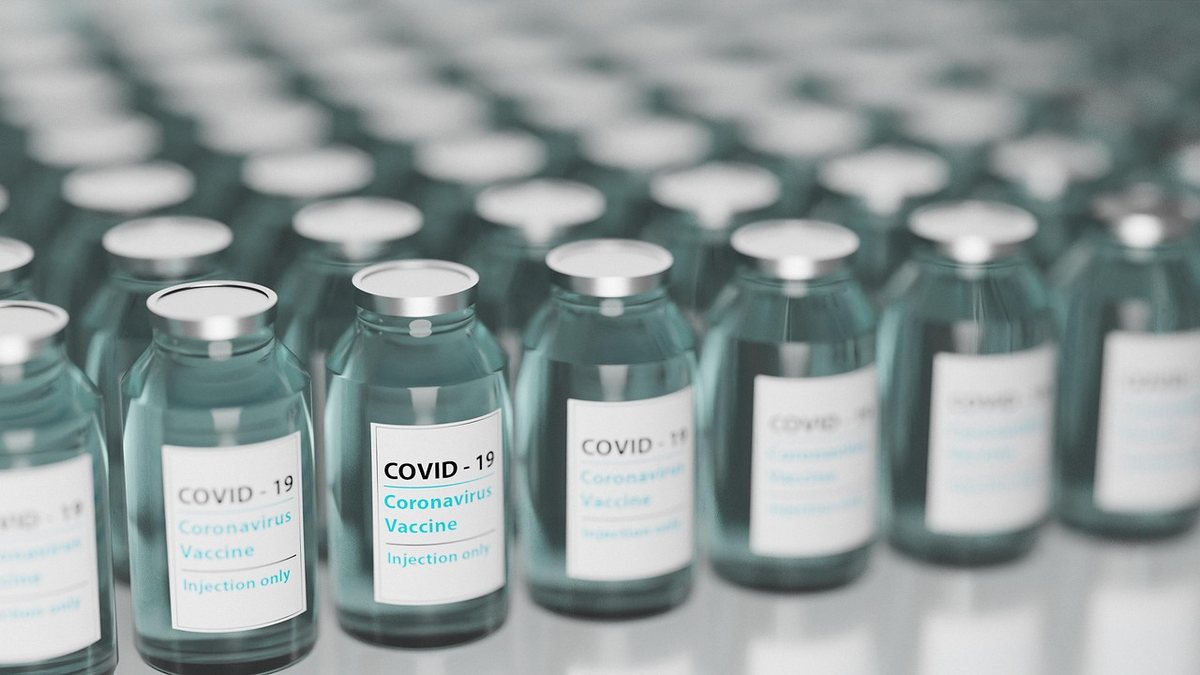
Sellas Life Sciences said on Tuesday that its experimental immunotherapy galinpepimut-S reduced the risk of death by 41% compared with standard treatment in patients with an advanced stage of acute myeloid leukemia (AML), meeting the primary goal of a Phase 3 trial, according to the company’s announcement as reported by STAT. Galinpepimut-S is a therapeutic cancer vaccine designed to train the immune system against WT1, a protein found at high levels on several tumor types, including AML. The announcement is not a full data release: the 41% figure is company-reported, and the article provides no hazard-ratio confidence interval, no median overall survival for either arm, and no safety results, nor any peer-reviewed publication or independent verification. STAT reporter Adam Feuerstein noted that in a September column he had predicted the therapy would fail to prolong survival in this same Phase 3 study.
Verified and unconfirmed
- Verified: Sellas announced that galinpepimut-S met the primary endpoint of a Phase 3 trial in advanced AML by reducing the risk of death by 41% versus standard treatment, as reported by STAT.
- Not yet confirmed: the size of the survival benefit in absolute terms (median overall survival), the hazard ratio’s confidence interval, progression-free survival, and safety/tolerability data — all undisclosed; the result rests on the company’s own announcement with no peer-reviewed paper or independent analysis, and STAT’s September column had predicted the trial would fail.
Background
Galinpepimut-S is an experimental cancer vaccine designed to train the immune system to attack cells displaying WT1, a protein that AML cells produce in large amounts while normal adult cells rarely do; Sellas licensed the compound from Memorial Sloan Kettering Cancer Center. Its pivotal Phase 3 program, the REGAL study, was set up to enroll roughly 116 patients across about 50 sites in the U.S. and Europe who had reached a second complete remission after prior anti-leukemic therapy. The reported survival benefit runs against the expectation STAT columnist Adam Feuerstein set out in September, when he predicted the therapy would fail to prolong survival in the Phase 3 study.
Why it matters
For oncologists and AML patients considering maintenance therapy, a 41% relative reduction in death risk cannot guide treatment until the absolute survival gain and confidence interval are known — a large relative effect on a small median benefit would mean far less than the headline suggests. Sellas also needs the safety profile to hold up, since a vaccine approach would most plausibly be used in patients already undergoing intensive treatment.


Comments
Comments use a GitHub account and are moderated. Comment rules