Vulcan return-to-flight fails; ULA cites low booster performance, cause unknown
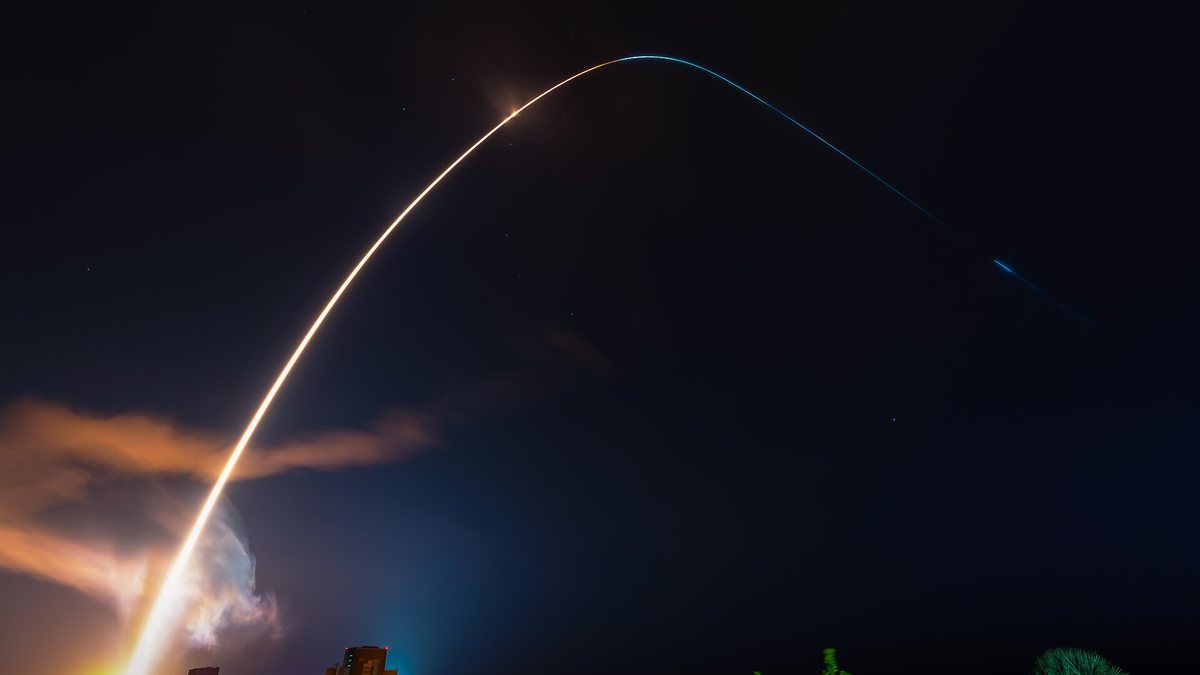
United Launch Alliance confirmed on Nov. 17 that its Nov. 15 return-to-flight Vulcan Centaur launch, carrying 40 Amazon Leo internet satellites, failed: the vehicle “experienced low booster performance” just after liftoff, so stage separation happened too low and too slow to reach orbit, and telemetry and the mission were lost about 10 minutes into flight. ULA said the Centaur V upper stage and the solid rocket boosters performed nominally, including the redesigned booster nozzles that had shed on two earlier flights, but the upper stage could not recover from the booster shortfall. The company has not identified the specific fault in the first-stage booster, which is powered by two Blue Origin BE-4 engines; Ars Technica, citing unnamed sources, reports the investigation is complex and that the failure may not ultimately trace to the BE-4. Vulcan has now flown five times since debuting in January 2024, with problems on three of those missions, and all 40 satellites were lost.
Verified and unconfirmed
- Verified: ULA’s own Nov. 17 statement says low booster performance shortly after liftoff caused stage separation below the altitude and velocity needed for orbit, that the Centaur V upper stage and solid rocket boosters performed nominally, and that the mission was lost around 10 minutes into flight; Space.com reports the payload was 40 Amazon Leo satellites.
- Not yet confirmed: the specific fault in the first-stage booster, and whether the BE-4 engines are implicated — that suggestion rests on unnamed sources cited by Ars Technica, and ULA says identifying the problem will take more time. Also unconfirmed: any return-to-flight date or the scope of the investigation.
Background
AI Daily Radar’s November 16 digest reported that the Vulcan launch on November 15 failed about 10 minutes into flight, destroying 40 Amazon Leo satellites, and that ULA said it had no specific data yet on the cause. Vulcan’s first stage is powered by two Blue Origin-built BE-4 engines, with strap-on solid rocket boosters adding thrust at liftoff before the Centaur V upper stage takes over; ULA’s November 17 update attributes the failure to low booster performance, says the solid boosters and Centaur V performed nominally, and has not identified the specific cause, including whether the BE-4 engines are at fault.
Why it matters
Vulcan is grounded pending the investigation, leaving two of the United States’ heavy-lift rockets out of service at once — Blue Origin’s New Glenn has been down since a May 28 test-stand explosion — which delays Amazon’s deployment of its Leo constellation, booked across roughly 100 launches. The stakes extend beyond ULA: the same BE-4 engine powers New Glenn’s first stage, a vehicle NASA relies on for Artemis, so a confirmed engine fault would ripple across civil and national-security launch planning.
What to watch
ULA has given no return-to-flight date; watch for the anomaly investigation’s findings on the booster, and whether the U.S. Space Force again pauses national-security Vulcan missions, as it did after the earlier solid-booster nozzle failures.
Coverage of this story
- 2026-11-17 · Ars Technica: The data is very preliminary, but Vulcan failure may not be due to BE-4 engines
- 2026-11-17 · Space.com: ULA lost a Vulcan Centaur rocket carrying 40 Amazon satellites 10 minutes after launch — but the failure began just after liftoff

Comments
Comments use a GitHub account and are moderated. Comment rules