Pentagon officials weighed Defense Production Act leverage on Nvidia's board, Washington Post reports
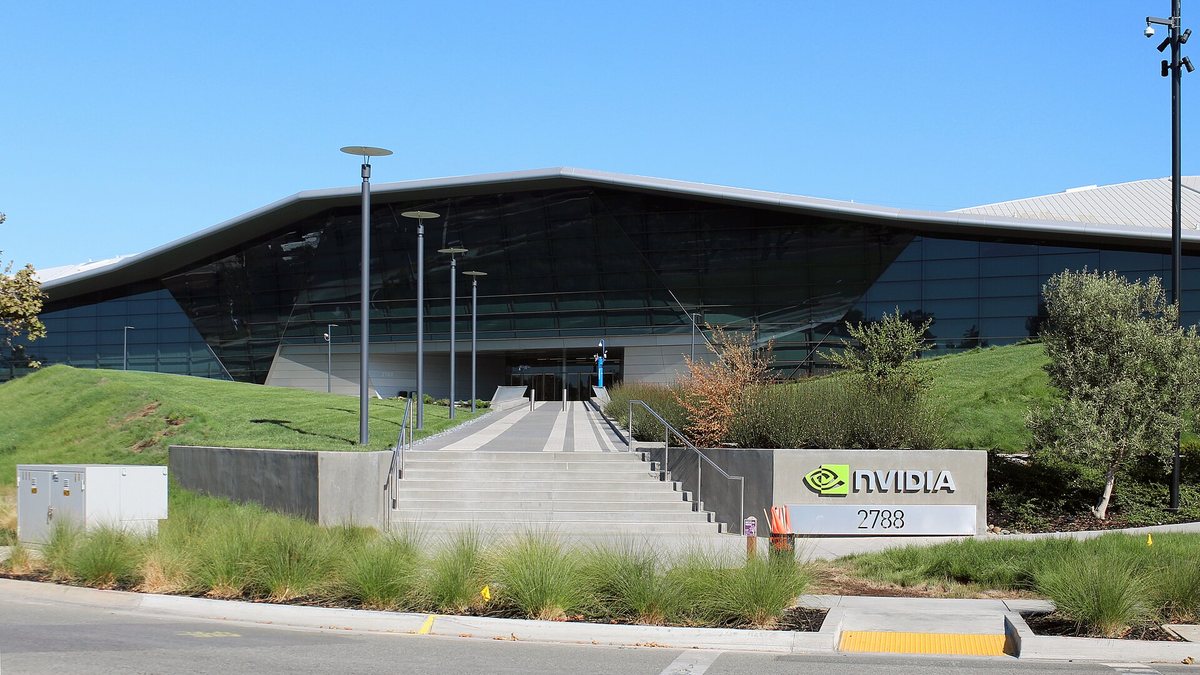
The Washington Post reported, citing unnamed sources, that Pete Hegseth and other Pentagon officials discussed using the Defense Production Act as leverage to pressure Nvidia’s board to reinstate Jensen Huang as chief executive. The Cold War-era law, as the report describes it, gives presidents extraordinary power to intervene in the economy. The account, relayed by Techmeme, gives no indication that any action was taken, carries no on-record confirmation from the Pentagon or Nvidia, and leaves out the legal mechanism contemplated, any timing, and the circumstances behind Huang’s status at the company.
Verified and unconfirmed
- Verified: The Washington Post reported, citing unnamed sources, that Defense Secretary Pete Hegseth and other Pentagon officials discussed using the Defense Production Act — the Cold War-era law that lets presidents direct private industry — as leverage to pressure Nvidia’s board to reinstate Jensen Huang, according to the account relayed by Techmeme. The reinstatement itself is established: Nvidia’s board returned Huang as CEO about 11 days after he resigned over disclosed extramarital affairs, and President Trump said he spoke to the board before Huang’s return (The Guardian, Euronews).
- Not yet confirmed: Everything about the alleged pressure campaign rests on anonymous sources — whether any DPA authority was formally invoked or merely floated, which officials beyond Hegseth took part, when the discussions occurred, whether the White House directed them, and whether Nvidia’s board was ever directly contacted by the Pentagon. Neither the Pentagon nor Nvidia has confirmed the account on the record, and no document, filing or official statement substantiating it has surfaced.
Background
The Defense Production Act is a 1950 Cold War statute that gives the president broad authority to direct private industry on national-security grounds — for example by ordering companies to prioritize federal contracts, allocating scarce materials, or pushing firms to expand production capacity. It has been used mainly for war and emergency mobilization, which is why invoking it in a dispute over a company’s leadership would be an unusual application. The Washington Post report, as summarized here, does not say which DPA powers officials discussed, what stage the talks reached, or what prompted them to consider the idea.
Why it matters
If talk of the Defense Production Act turned into policy, the Pentagon would gain a direct lever over the company that supplies the bulk of the world’s AI accelerators, turning a boardroom dispute into political risk for Nvidia’s board and for the cloud providers and labs buying its chips. Because the report describes a discussion among officials rather than a decision, there is no announced change to Nvidia’s governance or product availability that customers can act on yet.
What to watch
Whether the Pentagon or Nvidia says anything on the record, and whether Nvidia addresses the matter in a regulatory filing, since the report rests entirely on unnamed sources.
Further reading
- Nvidia Board Reinstates Jensen Huang as CEO at Request of Trump
-
[Pentagon accuses Canada of failing as a credible defence … Euronews](https://www.euronews.com/2026/11/24/pentagon-accuses-canada-of-failing-as-a-credible-defence-partner-over-spending-and-f-35-re) -
[Jensen Huang reinstated as Nvidia CEO after Trump… The Guardian](https://www.theguardian.com/technology/2026/nov/23/jensen-huang-reinstated-as-nvidia-chief-executive)


Comments
Comments use a GitHub account and are moderated. Comment rules