FCC conditionally authorizes SpaceX's 1-million-satellite Starmind constellation
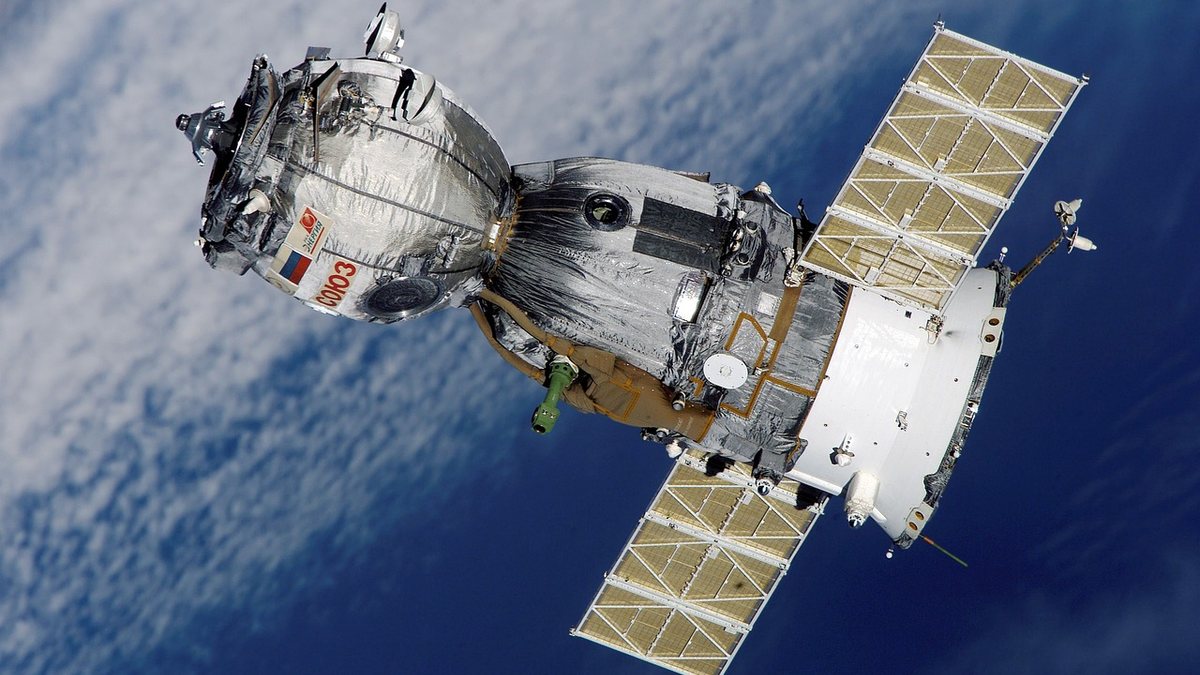
The US Federal Communications Commission said on Wednesday it had granted SpaceX conditional authorization to deploy up to 1 million “Starmind” satellites designed to operate as orbital AI data centers — the first approval the agency has given for a full AI satellite constellation, according to The Verge. The conditions require SpaceX to have at least one satellite in orbit by 2033 and to reach the 1-million mark by 2040; the FCC also deferred SpaceX’s request to dispose of satellites above 600 km in “graveyard” orbits rather than de-orbiting them. If fully built out, the constellation would raise the number of satellites in orbit roughly 50-fold; about 11,000 Starlink craft currently fly, and humanity has launched roughly 28,000 satellites since 1957. SpaceX’s own target, per Space.com, is to launch the first Starmind satellite in the third quarter of 2027 on Starship.
Verified and unconfirmed
- Verified: The FCC published an authorization on Wednesday for up to 1 million Starmind satellites, with a 2033 first-satellite milestone and a 2040 full-constellation milestone, and FCC Chairman Brendan Carr issued a statement calling it a “bold new frontier” for computing infrastructure.
- Not yet confirmed: whether satellites of this kind can be built, launched and operated at that scale or cost — no Starmind satellite has flown, and the Q3 2027 first launch is SpaceX’s stated aim, not an FCC requirement; the conditions the FCC attached beyond the two milestones, and how its deferred ruling on graveyard-orbit disposal will be resolved, are not detailed in these accounts.
Background
Starmind is a separate constellation from Starlink, SpaceX’s broadband network of roughly 11,000 satellites; the Starmind craft are designed to carry AI chips and act as orbital data centers, using solar power in orbit rather than land-based facilities and grid connections. SpaceX intends to launch them on Starship, and AI Daily Radar’s November 15 digest reported that Starship’s upper stage was caught at its launch tower for the first time after a flight that deployed 26 Starlink V3 satellites, an earlier step toward the reusable heavy-lift capacity a constellation on this scale would need.
Why it matters
Satellite operators and astronomers now face a regulatory precedent for megaconstellations an order of magnitude larger than anything flown: Space.com notes the current Starlink network already requires near-weekly collision-avoidance maneuvers per satellite, and the FCC left open SpaceX’s request to leave satellites above 600 km in graveyard orbits rather than bring them down — a disposal question that will shape debris and dark-sky assessments for every operator queuing up behind Starmind, including Google, Blue Origin and Starcloud.
What to watch
SpaceX’s target of a first Starmind launch in the third quarter of 2027 on Starship, and a separate FCC ruling on the deferred graveyard-orbit disposal request for satellites above 600 km.
Coverage of this story
- 2026-11-25 · Reuters: The US FCC authorizes SpaceX to deploy its “Starmind” constellation of 1M satellites for data centers in space (David Shepardson/Reuters)
- 2026-11-25 · The Verge: FCC signs off on SpaceX’s plan to put up to 1 million data center satellites into space
- 2026-11-25 · Ars Technica: The FCC has authorized SpaceX to deploy 1 million satellites
- 2026-11-25 · Space.com: Green light for Starmind: SpaceX gets approval to deploy 1 million AI satellites
- 2026-11-25 · TechCrunch: FCC approves SpaceX plan to put AI data centers in space


Comments
Comments use a GitHub account and are moderated. Comment rules