Canary Media: Senate permitting bill is a three-part bet on clean energy
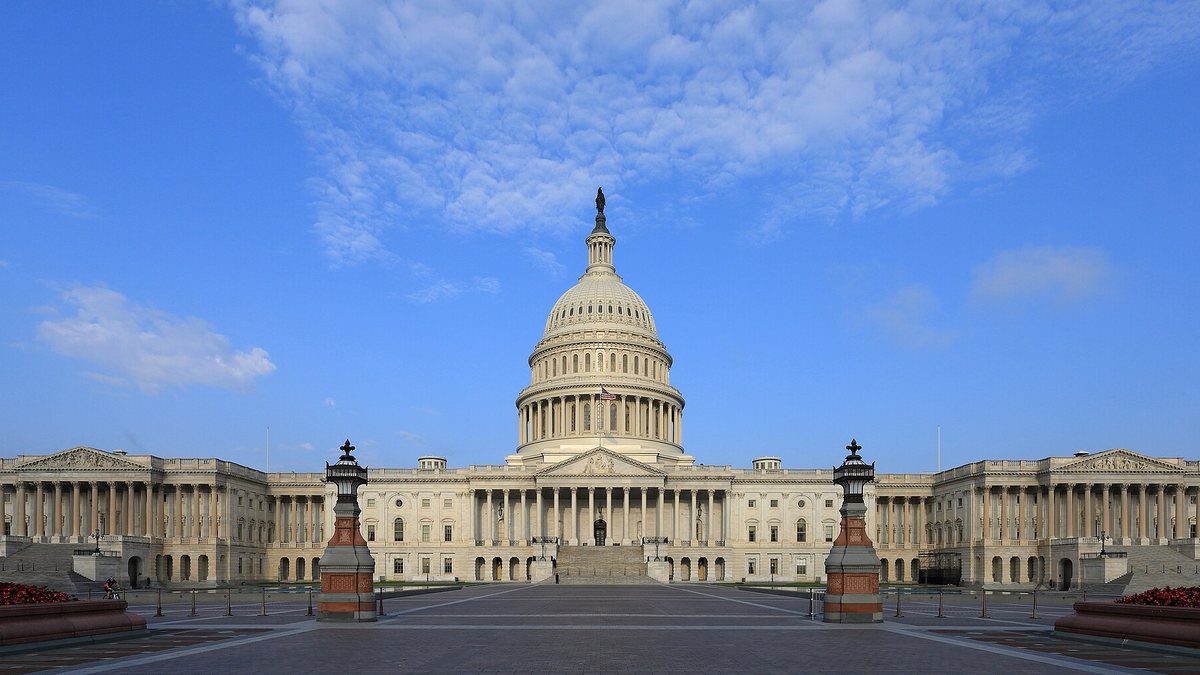
Canary Media’s analysis describes the bipartisan Senate permitting-reform bill as a three-part wager by Democrats and clean energy advocates, and details only the first part in the supplied excerpt: that streamlining federal environmental reviews and permitting for all energy infrastructure — fossil and clean alike — will produce more clean energy than dirty energy. The piece presents this as a contested assumption rather than a settled outcome, framing the legislation as a controversial bet on the energy transition. The excerpt does not name the bill’s sponsors, list its specific provisions, or state its legislative status or timing.
Verified and unconfirmed
- Verified: Canary Media reports that a bipartisan Senate permitting bill exists and characterizes it as a three-part bet whose first element is that faster federal review for all energy infrastructure will favor clean over dirty energy.
- Not yet confirmed: the bill’s text, sponsor names, the content of the bet’s second and third parts, and its legislative status or timetable are not established in the supplied material; the claim that streamlining helps clean energy more than fossil fuels remains the advocates’ argument, not a demonstrated result.
Background
The bill Canary Media is analyzing is the Bipartisan American Affordability and Jobs Act, introduced on September 30, 2026 by Senators Capito, Lee, Whitehouse and Heinrich; a “Manager’s Amendment” released November 7, 2026 revised the text, and the legislation is still moving through Congress. Its premise is that federal environmental reviews — chiefly those under the National Environmental Policy Act (NEPA), the 1970 law requiring agencies to assess the environmental effects of major projects — can stretch for years, delaying energy and transmission projects as electricity demand rises. The Senate sponsors say the measure would give permitted projects certainty that they keep their permits absent extraordinary circumstances, violations of law or a court order, alongside targeted reforms for specific energy projects.
Why it matters
Clean-energy developers would gain a new federal lever: under the bill text, the Energy Secretary could, at FERC’s request, designate transmission projects as in the “national interest,” though the practical effect on siting timelines remains unclear. Passage would likely also require making it easier for states to approve fossil-fuel permits, so project sponsors cannot yet treat faster reviews as a settled planning assumption.
What to watch
Watch whether the Senate follows its key procedural vote to advance the bipartisan permitting bill with a final passage vote, which would send the measure to the House. Also watch whether Senate leaders keep the bill in the queue once the Ratepayer Protection Act and other pending legislation are resolved.
Further reading
- Explaining the Senate Permitting Bill, the Bipartisan …
- Capito, Lee, Whitehouse, and Heinrich Introduce Bipartisan …
- Senate reaches bipartisan deal on permitting bill for energy …
- Permitting Reform Is a Decoy for Ramping… - The American Prospect
-
[Permitting reform is back. Is the latest deal worth it? Grist](https://grist.org/regulation/manchin-barrasso-permitting-reform-bill-fossil-fuels/) - Google News - News about energy • Senate - Overview
-
[Senate permitting talks reach a turning point Semafor](https://www.semafor.com/article/09/18/2026/senate-permitting-talks-reach-a-turning-point)




Comments
Comments use a GitHub account and are moderated. Comment rules