Nvidia reportedly warns buyers of legal risk under proposed Remote Access Security Act
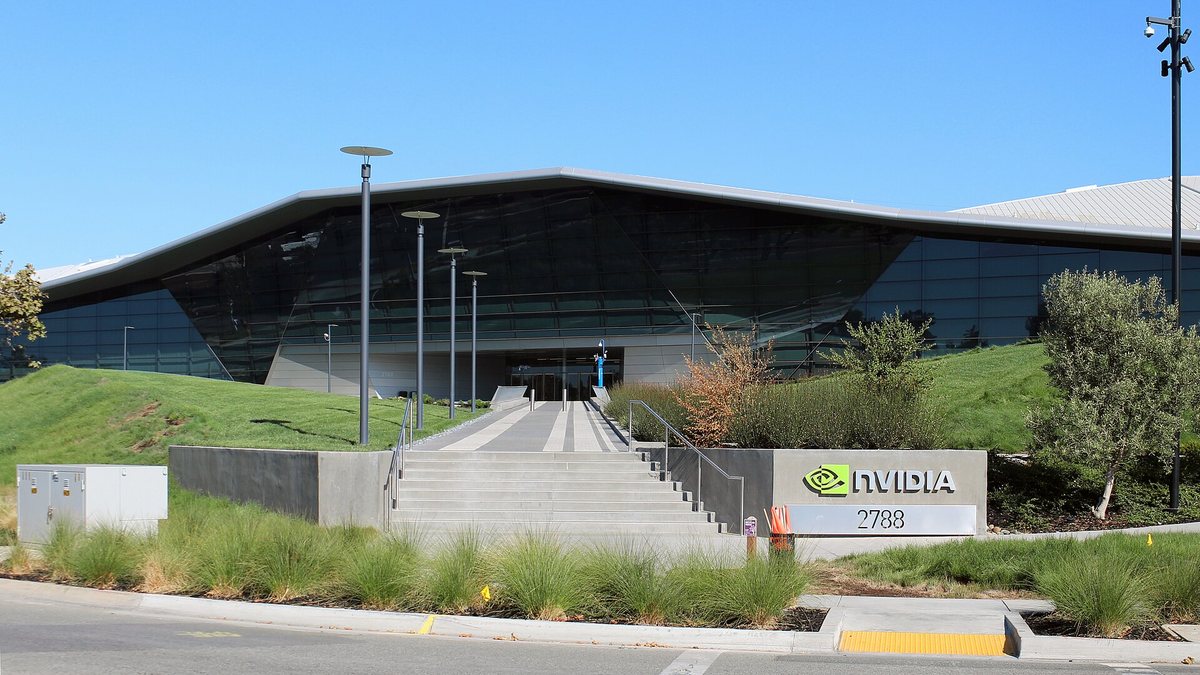
Nvidia has privately warned its customers that pending US legislation on Chinese companies remotely accessing its AI chips could expose those buyers to US legal action, according to CNBC, which cites unnamed sources. The warning concerns the proposed Remote Access Security Act, a bill aimed at Chinese firms reaching Nvidia chips remotely — for example through overseas data centres or cloud access — rather than buying them directly. The legislation is still a proposal, not enacted law, so no legal exposure exists yet; the report describes Nvidia’s interpretation of the bill as conveyed to customers, not a government enforcement position. CNBC does not say whether the warning was written or verbal, which customers received it, or what specific conduct or penalties Nvidia flagged.
Verified and unconfirmed
- Verified: CNBC reported on Nov. 17, citing unnamed sources, that Nvidia warned customers the proposed Remote Access Security Act could expose them to US legal action if Chinese companies remotely access its AI chips; Bloomberg separately reported that the Trump administration moved to limit several countries from providing Chinese companies remote access to advanced AI chips and servers, and CNBC had reported on Nov. 5 that Chinese lab Moonshot AI sought Nvidia chip access through data centers abroad.
- Not yet confirmed: The wording, scope and recipients of Nvidia’s customer warning rest only on unnamed sources, and Nvidia’s own account of it is not in the supplied material. The sources also conflict on the legislation’s status — the item calls the Remote Access Security Act “proposed,” while one commentary describes it as “newly passed” — and no penalties, enforcement date or compliance deadline are given.
Background
The warning lands on top of an existing regulatory push: AI Daily Radar’s November 16 digest covered a US Commerce Department interim rule requiring export licenses for AI chips when the hardware may supply compute to China or other restricted countries, extending controls beyond physical shipments to remote access. AI Daily Radar’s November 15 digest, citing a Wall Street Journal investigation, reported that Nvidia chips were reaching Chinese firms through large Southeast Asian data centers that exploited a gap in US sanctions. The proposed Remote Access Security Act would address the same remote-compute loophole through legislation rather than agency rulemaking, which is why Nvidia is now telling buyers about possible legal exposure, according to CNBC’s unnamed sources.
Why it matters
If the account holds, buyers of Nvidia hardware — especially operators of data centres and cloud services that host foreign users — may need to show how they control who reaches their GPUs, since the reported risk attaches to remote access rather than to the sale itself. Until the bill’s text and any implementing rules are public, customers cannot tell whether standard cloud tenancy arrangements would fall inside it.
What to watch
Watch whether the Remote Access Security Act advances past introduction into a committee markup or floor vote, since Congress is still only considering broader authority over remote access to chips in overseas data centers. A related checkpoint is whether Nvidia, or the Commerce Department, publicly confirms the customer guidance, which for now rests on unnamed sources.
Further reading
- 2026-11-16 — US Commerce tightens AI chip export rules to cover remote compute access
- 2026-11-15 — WSJ: Nvidia chips reached Chinese firms via SE Asian data centers
- Nvidia warns chip buyers of legal risks tied to China access : sources
- US- China Tech Landscape Evolves Amid Remote Access Security Act
- US Moves to Curb China ’s Remote Access to Nvidia ’s AI Chips
- Nvidia warns chip buyers of legal risks tied to China access : sources


Comments
Comments use a GitHub account and are moderated. Comment rules