ULA says Vulcan failure traced to inadequate fuel supply, not BE-4 engines
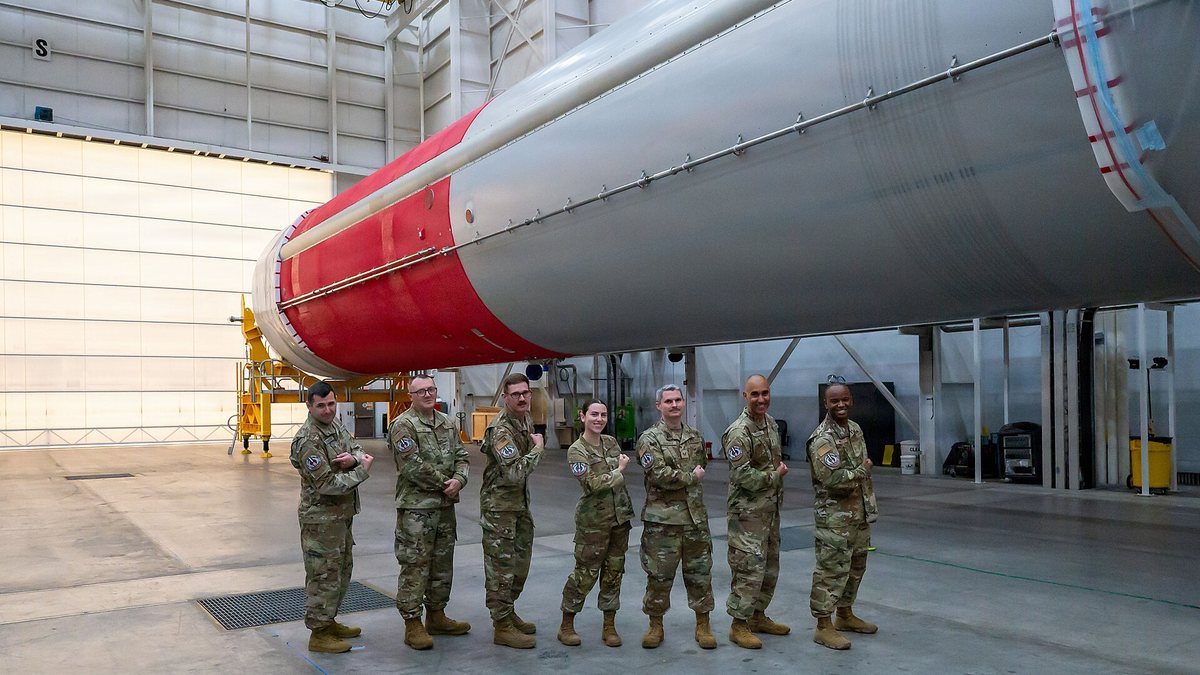
United Launch Alliance said its initial integrated review of flight data from Sunday’s Vulcan launch anomaly points to low booster thrust caused by “inadequate fuel supply from the vehicle to the BE-4 engines, not from the performance of the engines.” The statement attributes the problem to how propellant reached the Blue Origin-built BE-4s rather than to the engines themselves, confirming Ars Technica’s Tuesday reporting that engine performance was not the culprit. ULA said “work remains to determine cause,” so the root cause, any corrective hardware changes, and a return-to-flight schedule are still undetermined.
Verified and unconfirmed
- Verified: ULA’s own statement says it has completed an initial integrated review of flight data from the Leo 1 launch anomaly and that preliminary indications point to inadequate fuel supply to the BE-4 engines rather than engine performance.
- Not yet confirmed: the actual root cause, whether the fix requires changes to vehicle plumbing, feed systems or procedures, and when Vulcan will fly again — ULA explicitly says work remains, and the finding is preliminary and self-reported, with no independent review or full investigation report released.
Background
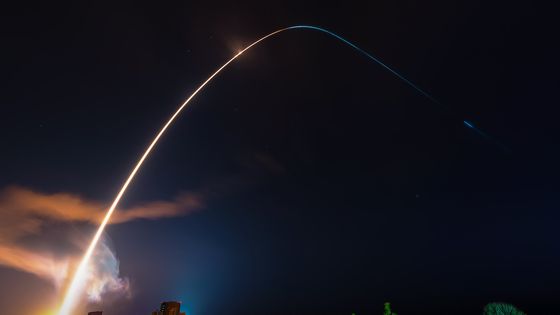
Vulcan is ULA’s next-generation rocket, and its first-stage booster is powered by BE-4 engines supplied by Blue Origin. AI Daily Radar’s November 16 digest reported that the rocket failed about 10 minutes into flight on November 15, destroying 40 Amazon Leo broadband satellites, with ULA saying at the time that it had no specific data on the cause. ULA’s new statement narrows the question from how the engines performed to how propellant reached them.
Why it matters
Vulcan’s return to flight was meant to be the evidence ULA needed to regain military launch clearance: Space Force had said it would judge Vulcan by Leo 1 data before restoring authorization, which had stayed withheld after nine months of grounding over GEM 63XL booster nozzle failures. That certification now depends on an investigation ULA says is unfinished, and Amazon’s Leo satellite deployment — the payload lost on this flight — absorbs another delay.
What to watch
Watch for ULA to release the completed investigation identifying the specific fault in the fuel feed path, and for the company to set a new Vulcan launch date — neither has been given yet.

Comments
Comments use a GitHub account and are moderated. Comment rules