Saudi Arabia raises self-consumption cap to 50 MW and allows battery storage
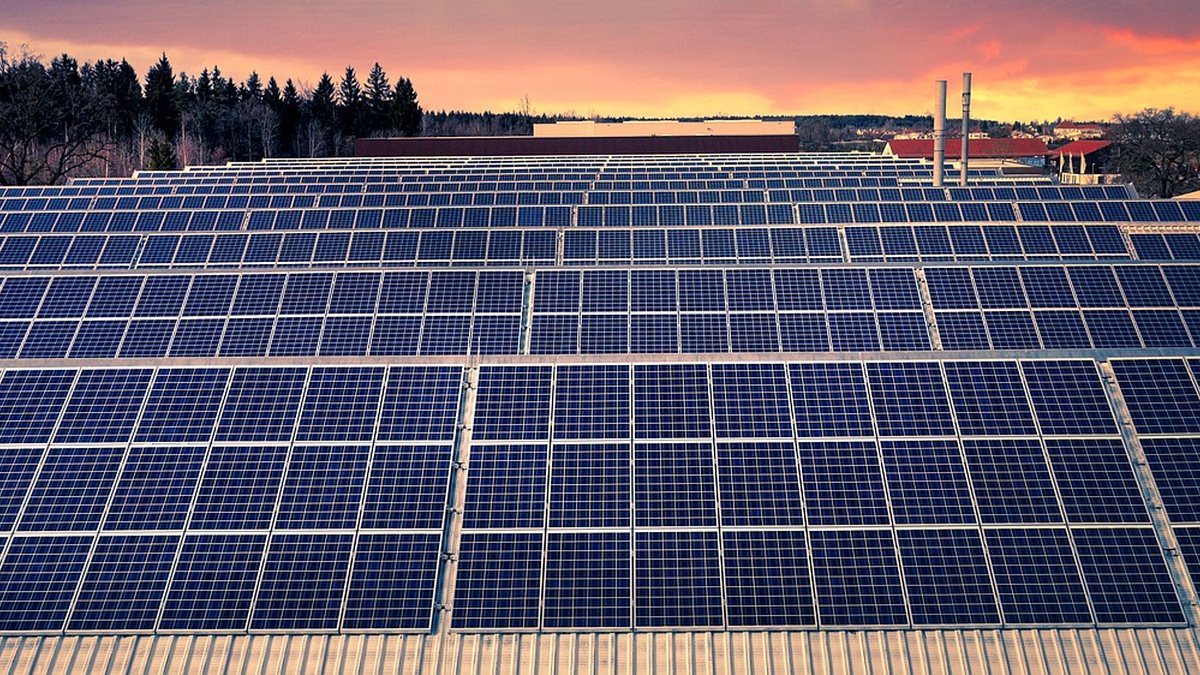
Saudi Arabia’s Electricity Regulatory Authority (SERA) has replaced the 2 MW ceiling on renewable self-consumption systems with a 50 MW cap, and the updated framework explicitly permits integrated battery storage, pv magazine reports, citing a statement carried by the Saudi Press Agency. The rules cover solar, wind, waste-to-energy and biofuel installations that generate and consume power at the same facility, and split grid-connected systems into four bands: 1–11 kW, above 11 kW to 50 kW, above 50 kW to 2 MW, and above 2 MW to 50 MW. Systems up to 11 kW need no prior approval and pay no connection fee but must be installed by an accredited contractor, while systems above 2 MW require a study permit and a generation license from SERA, with application or connection fees of SAR 16,500 for 2–4 MW and SAR 35,000 above 4 MW. The framework also sets out mandatory net billing: surplus exports earn credits that carry into the next billing cycle, can be applied across multiple accounts belonging to the same consumer, and expire 12 months after accrual.
Verified and unconfirmed
- Verified: SERA’s updated self-consumption regulation lifts the maximum covered system capacity from 2 MW to 50 MW, permits integrated battery storage, defines the four capacity bands with their approval requirements and fees, and establishes mandatory net billing, according to the regulation as described by the Saudi Press Agency and reported by pv magazine.
- Not yet confirmed: The effective date of the new rules and whether they apply to applications already in process are not stated; the monetary value or rate at which exported kilowatt-hours are credited under net billing is not given; and the capacity thresholds, fees and credit terms rest on the regulator’s own announcement with no independent assessment of how they will work in practice.
Background
Self-consumption rules cover on-site generation — rooftop and building-scale solar, wind, waste-to-energy or biofuel systems — that is consumed at the same facility where it is produced rather than sold wholesale. Saudi Arabia’s Electricity Regulatory Authority first issued such regulations three years ago and maintained a separate framework for small solar systems; the update reported now merges the two into a single set of categories. The framework also sets out mandatory net billing, meaning surplus electricity exported to the grid is credited financially and carried forward against future bills for up to 12 months, rather than being compensated through a fixed feed-in tariff.
Why it matters
Commercial and industrial consumers can now plan onsite solar-plus-storage sized to their own load well beyond the old 2 MW limit, but any project above 2 MW must budget for a study permit, a SERA generation license and a fee of SAR 16,500 or SAR 35,000 depending on size, and route the application through an accredited consultant or contractor. Service providers are also required to publish qualified contractors, approved equipment and available network capacity, which developers should check before committing to a site.
What to watch
Watch for SERA’s electronic connection platform and the service providers’ promised lists of qualified contractors, approved equipment and available network capacity, which will show how quickly the 50 MW band becomes usable in practice.


Comments
Comments use a GitHub account and are moderated. Comment rules