Mexico conditionally approves 621 MWp Cerro Colorado solar project in Veracruz
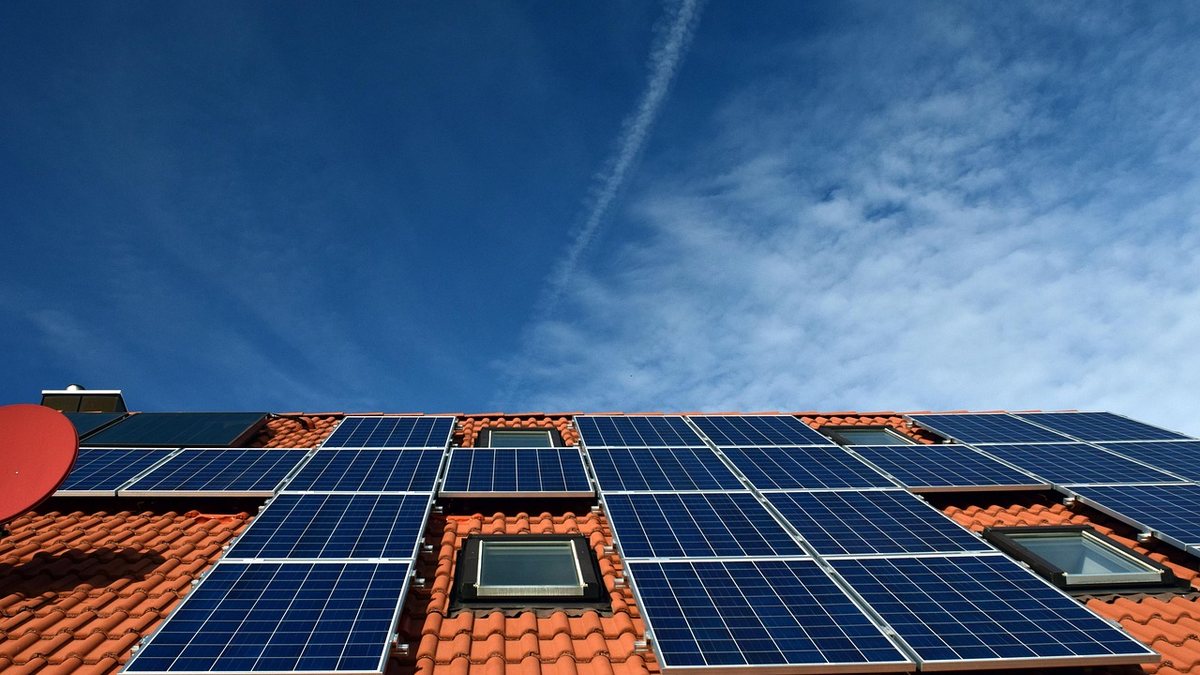
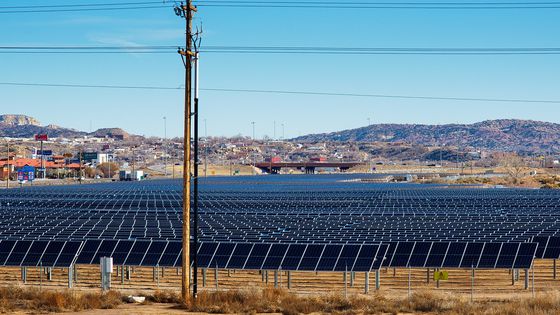
Mexico’s environment ministry (Semarnat), through its General Directorate of Environmental and Risk Impact (DGIRA), has granted conditional environmental approval to the 621.17 MWp Cerro Colorado solar plant in Veracruz. Developer Desarrollos y Soluciones Energéticas Eirene plans to build it across 1,062.62 hectares in Sayula de Alemán and Texistepec, using 941,166 modules of 660 W each and 1,803 Huawei SUN2000-330KTL-H1 inverters rated at 330 kW, connected through a 34.5 kV network and three 34.5/230 kV step-up substations. The authorization sets a two-year window for site preparation and construction, 30 years of operation and maintenance, and nine months for decommissioning, and requires conservation of 40.89 hectares of secondary evergreen rainforest alongside wildlife, habitat and riverbank restoration programs. The approval does not exempt the developer from other federal, state and municipal permits, and the project’s environmental filing mentions battery storage without specifying its capacity.
Verified and unconfirmed
- Verified: Semarnat’s DGIRA issued the conditional environmental approval, according to pv magazine, and the filing specifies the 621.17 MWp capacity, 941,166 modules, 1,803 Huawei inverters, the site area and municipalities, and the two-year construction and 30-year operating periods.
- Not yet confirmed: the capacity and configuration of the battery storage systems, whether the remaining federal, state and municipal permits will be granted, and any construction start date, investment figure or power purchase agreement, none of which the report provides.
Background
In Mexico, utility-scale generators must file a regional environmental impact statement (MIA-R) with Semarnat, the environment ministry, and its technical arm DGIRA reviews it before construction can begin. Desarrollos y Soluciones Energéticas Eirene submitted the Cerro Colorado filing on Feb. 19, 2026, and the conditional approval covers environmental permitting only — the developer still needs separate federal, state and municipal permits before building.
Why it matters
The conditional approval covers only environmental impact: the developer still needs other federal, state and municipal permits before building, so the two-year construction clock is the concrete constraint to plan around rather than a guarantee the plant gets built.
What to watch
Watch for the developer’s remaining permit filings and grid interconnection arrangements, and whether site preparation begins within the two-year construction window the approval grants.

Comments
Comments use a GitHub account and are moderated. Comment rules