Senate passes permitting overhaul with route for solar developers to sue agencies
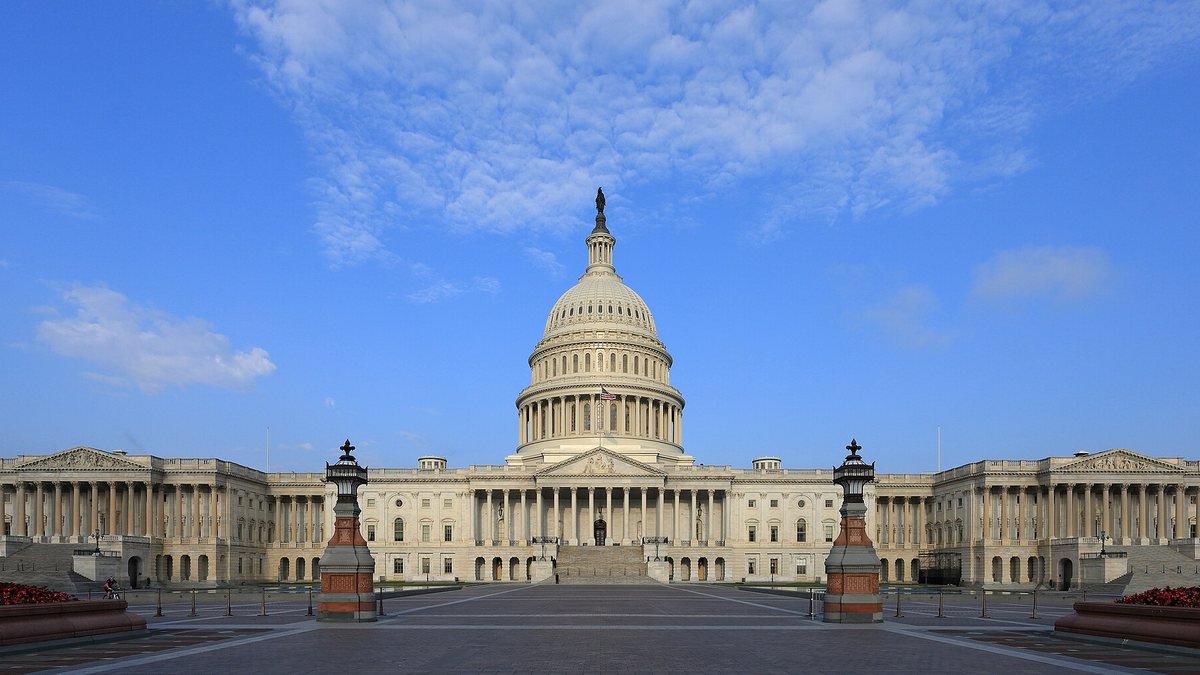
The US Senate voted 62-33 last week to pass the Bipartisan American Affordability and Jobs Act of 2026 (BAAJA), attached as an amendment to H.R. 2347, a House-passed tax bill whose text senators agreed 69-27 on Nov. 18 to replace. The bill would set new deadlines on federal energy permitting and, under Section 1402, let sponsors of 46 listed project types — including solar, onshore wind, storage, nuclear, fossil fuel and transmission — sue agencies over a permit denied in bad faith or delayed more than 60 days past a deadline as part of a pattern of disparate treatment, with damages of 50% to 100% of reasonably expected construction costs. Section 1401 would bar agencies from revoking or materially amending permits in effect on or after Nov. 6, 2026, subject to six exceptions, and cap NEPA challenges at 150 days instead of six years. None of this is law yet: the House must act on the Senate amendment before the current Congress ends in early January.
Verified and unconfirmed
- Verified: The Senate passed BAAJA 62-33 as an amendment to H.R. 2347, after a 69-27 vote on Nov. 18 to substitute the bill’s text and a 73-25 procedural vote on Nov. 9, pv magazine reported; the bill was introduced Sept. 30 by Senators Shelley Moore Capito, Mike Lee, Sheldon Whitehouse and Martin Heinrich.
- Not yet confirmed: The specific mechanics — the 60-day delay threshold, 50%-100% damages range, the Nov. 6, 2026 permit cut-off date, the 150-day NEPA window, FERC’s one-year state backstop and the 18-month behind-the-meter aggregation rule — come from a section-by-section summary by the Bipartisan Policy Center, not from bill text quoted in the report, and could change in the House; SEIA’s estimate that the bill unlocks 167 GW of solar by 2035 is the trade group’s own modeling, and the report gives no House vote date.
Background
US energy projects must clear reviews under the National Environmental Policy Act (NEPA), and litigation over those reviews has been a recurring source of multi-year delays for solar and transmission. Developers are already working under Interior Department rules introduced in July 2025 that add elevated review for wind and solar on federal land; in April 2026 a federal judge in Massachusetts preliminarily enjoined that policy as likely arbitrary and capricious. BAAJA is the Senate’s answer to that bottleneck.
Why it matters
For developers, the bill’s practical change is a cause of action rather than a faster queue: a sponsor alleging disparate treatment would need statistical evidence comparing its treatment with the previous 10 years, and could recover 25% to 50% of development and construction costs from the federal Judgment Fund where bad-faith interference is proven. The trade-off is on the other side of the ledger — cutting the window to sue over a NEPA decision from six years to 150 days and limiting courts to remanding rather than voiding permits makes it harder for project opponents to halt construction.
What to watch
House action on the Senate amendment before the current Congress ends in early January, when a newly elected Democratic majority takes office; if the bill is not cleared by then, it would have to be reintroduced.


Comments
Comments use a GitHub account and are moderated. Comment rules