Residential solar tied to lower heat deaths in Japan, study finds
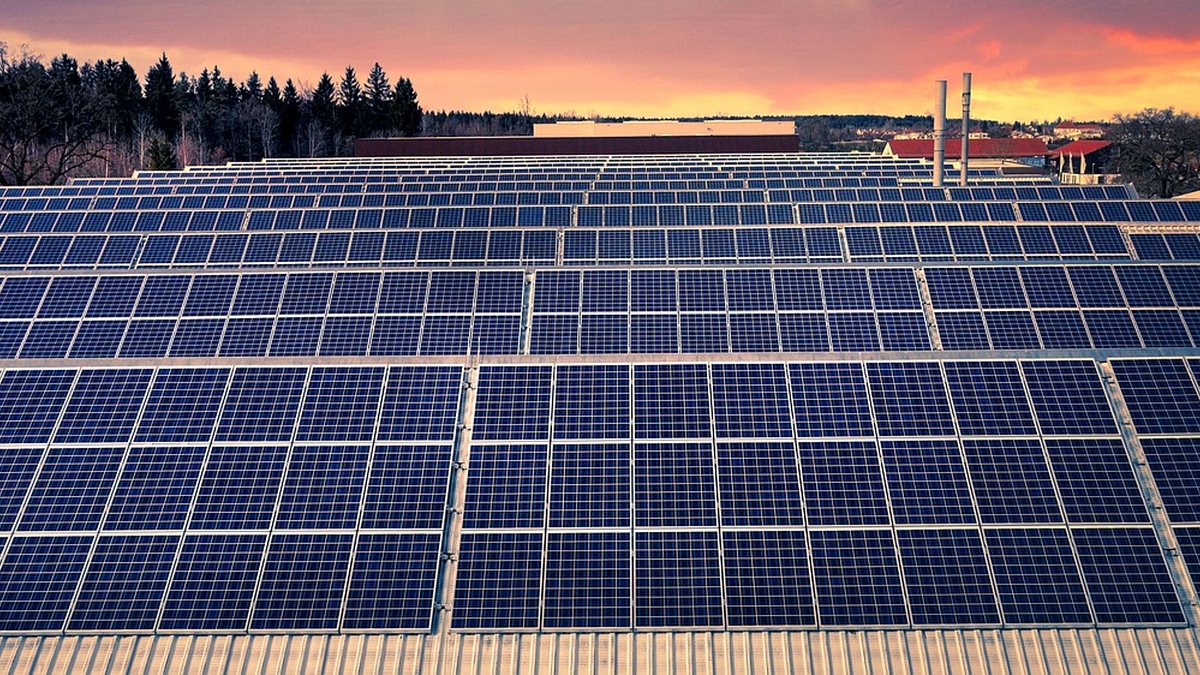
Peer-reviewed research in Social Science & Medicine by Yi-Chun Ko and Shinsuke Uchida estimates that residential solar adoption in Japan reduced excess deaths on extremely hot days by about 8.2% a year for the general population and 8.5% for people aged 65 and older. The study uses the 2011 Great East Japan Earthquake as a natural experiment: nuclear shutdowns pushed electricity prices up by as much as 38% while a national subsidy expanded household solar, and the authors combine 2009-2014 monthly mortality data from 44 prefectures with weather and installation records. The estimated benefit is strongest in warmer prefectures, places with larger price increases and areas with stricter conservation targets, and the paper finds no comparable effect during cold temperatures. The authors call it the first causal evidence that household solar can serve as a public-health intervention, while cautioning that adoption skews toward higher-income households and the benefits may be uneven without targeted policy.
Verified and unconfirmed
- Verified: The study is a peer-reviewed article in Social Science & Medicine (vol. 410, 2026) by Yi-Chun Ko of the Asian Growth Research Institute and Shinsuke Uchida of Doshisha University, and journal indexes confirm its stated scope — whether residential solar PV can mitigate health risks by reducing households’ reliance on grid electricity during extreme heat (tool-2-1, tool-2-3); its publication listing dates to October 2026 (tool-2-2).
- Not yet confirmed: The headline figures — an ~8.2% annual reduction in heat-related excess deaths overall and ~8.5% for people 65 and older — are the authors’ own model-based estimates from their instrumental-variable design, not independently replicated measurements, and the “first causal evidence” description is the co-author’s characterization of his own work; the 38% electricity price increase and the prefecture-level mortality and installation data are stated in the paper without independent verification here, and the authors themselves note that solar adoption skews toward higher-income households, so the size and distribution of any real-world benefit remain uncertain.
Background
Japan’s 2011 Great East Japan Earthquake forced nuclear plants offline, pushing electricity prices up by as much as 38% while a national subsidy was expanding rooftop solar. That combination gave researchers a natural experiment: prefectures faced the same broad price shock but differed in how much residential solar was installed. They combined monthly mortality, weather and official installation data for 44 prefectures from 2009 to 2014, using an instrumental-variable method—a statistical technique for separating solar adoption from other local factors—to estimate its effect on heat-related deaths.
Why it matters
For policymakers and health officials, the finding adds a public-health rationale to residential-solar support, but it also flags an equity constraint: because adoption is concentrated among higher-income households, the heat-mortality benefit may bypass renters and low-income older people unless programs are targeted at them.

Comments
Comments use a GitHub account and are moderated. Comment rules