SpaceX investigating why Starship Flight 15 booster aborted chopsticks catch
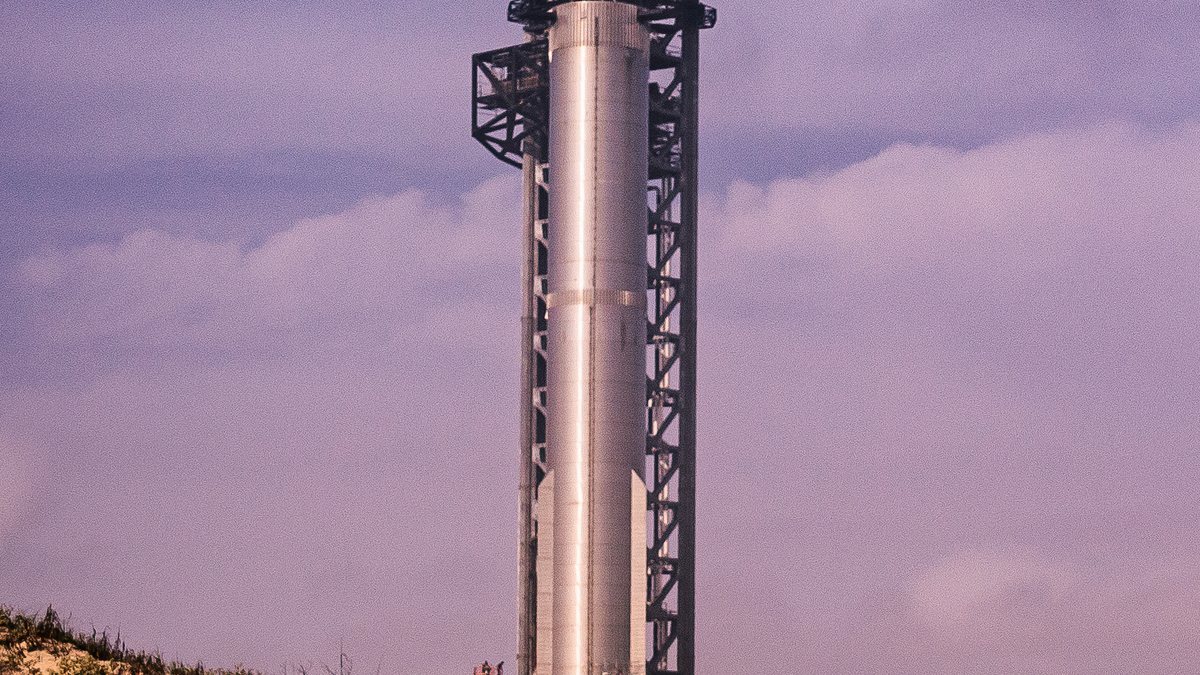
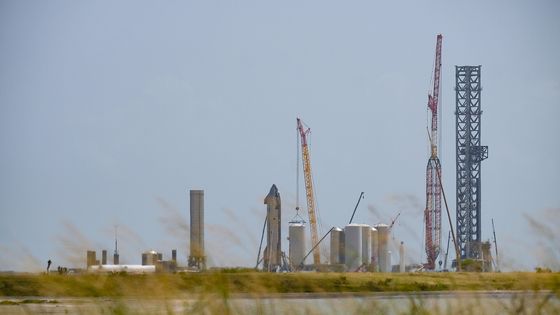
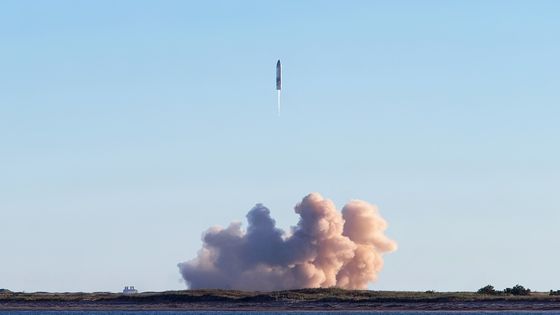
SpaceX is investigating why the Super Heavy booster on Starship Flight 15, Booster 22, aborted its planned tower “chopsticks” catch and was destroyed over the Gulf of Mexico about 6.5 minutes after lifting off from Starbase, Texas, on Nov. 13. The flight had aimed to recover both the booster and the Ship upper stage for what the company billed as the first full recovery of an orbital launch system. SpaceX’s Dan Huot first attributed the abort to a guidance issue, then said a day later that the booster’s guidance and navigation control (GNC) system worked as intended: it detected the booster was not where it needed to be for a catch, triggered an automatic abort and sent it to an offshore contingency splashdown. On Nov. 14, SpaceX’s Kate Tice said early indications are that the booster ended its boostback burn early because of a low fuel mass alarm, with the root cause still under investigation; one of 33 engines dropped out after stage separation, leaving 32 for the boostback burn, after all 33 fired on ascent.
Background
Super Heavy is Starship’s first stage, and after stage separation it flips and fires a “boostback” burn to reverse course and fly back toward the launch tower, whose metal “chopstick” arms catch it in mid-air instead of letting it land on legs. Flight 15 was aiming to combine that with a return of the Ship upper stage for what SpaceX billed as the first complete recovery of an orbital launch system, a step beyond the booster catches demonstrated on earlier flights. Rocket guidance systems are designed to abort such a catch automatically and divert the booster offshore when the vehicle is not where it needs to be, which is what happened here.
Impact
Because the booster was destroyed offshore rather than recovered, SpaceX cannot inspect Booster 22’s hardware and will have to pin down the low fuel mass alarm from flight data before the next catch attempt. The episode also shows how the catch is gated: the abort was automatic, triggered when the vehicle’s position drifted outside the limits required to return to the tower.