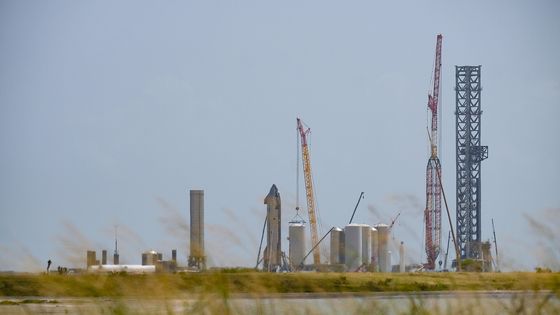
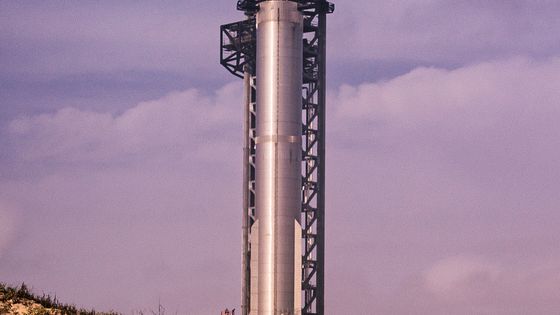
SpaceX launches 22-hour Starship Flight 15, aborts booster catch
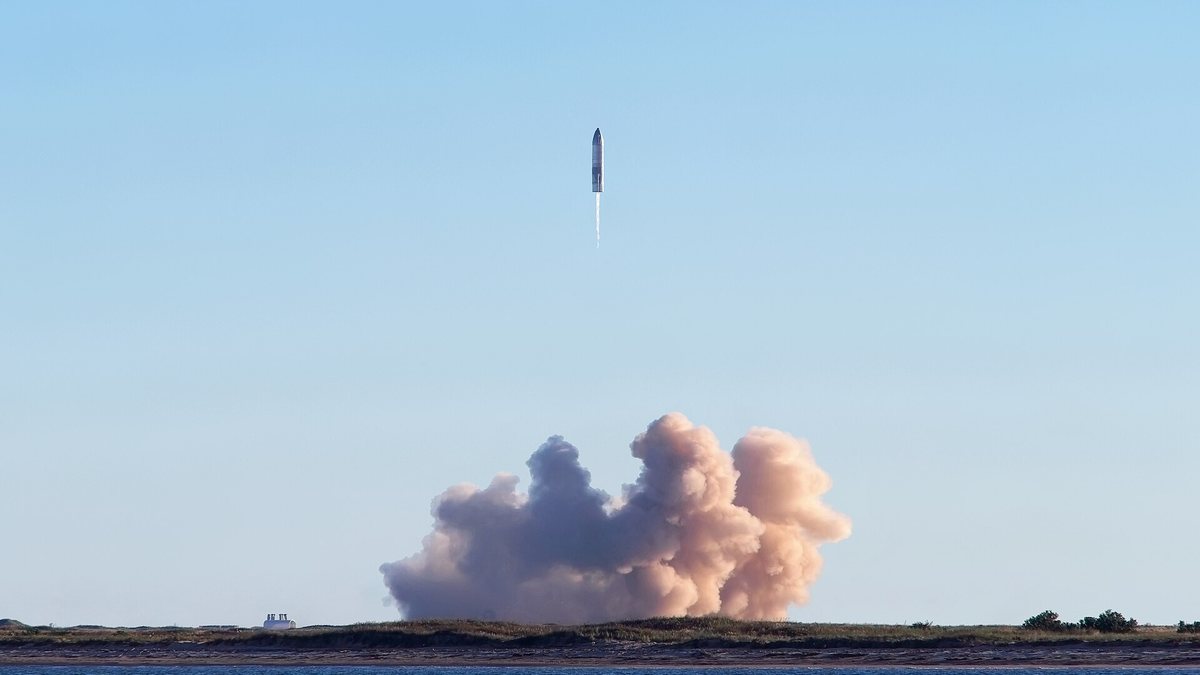
SpaceX launched Starship Flight 15 from Starbase, Texas, on Nov. 13 at 5:47 p.m. ET, beginning a planned 22-hour test that reached low Earth orbit and deployed 26 Starlink V3 satellites. The Super Heavy booster hot-staged successfully, but SpaceX called off the launch tower’s “chopsticks” catch and brought it down for a controlled splashdown in the Gulf of Mexico about 6.5 minutes after launch, for reasons not immediately disclosed. The Ship was left in a roughly 275-kilometer orbit and is being prepared for what would be its first return to the launch site, contingent on engineers confirming that reentry, landing-burn, and tower-approach systems are healthy.
Context
SpaceX recovers Super Heavy boosters by flying them back to the launch tower and catching them with the tower’s mechanical arms, an approach aimed at rapid reuse rather than splashdowns or landing legs. The rocket has already gone through several design generations: SpaceX caught three Version 1 Super Heavy boosters and re-flew two of them, while no Version 3 booster had been recovered before Flight 15. Flight 14, launched Sept. 28, was the first Starship flight to reach orbit, making Flight 15’s insertion only the second.
Impact
The aborted catch means SpaceX has still not recovered a Version 3 Super Heavy booster, leaving that reusability milestone for a later flight. The Ship’s own return remains pending a health assessment that SpaceX says will include imagery from three camera-equipped Starlink V3 satellites to inspect its heat shield and other hardware.