Pakistani astronaut reaches Tiangong as station's first international visitor
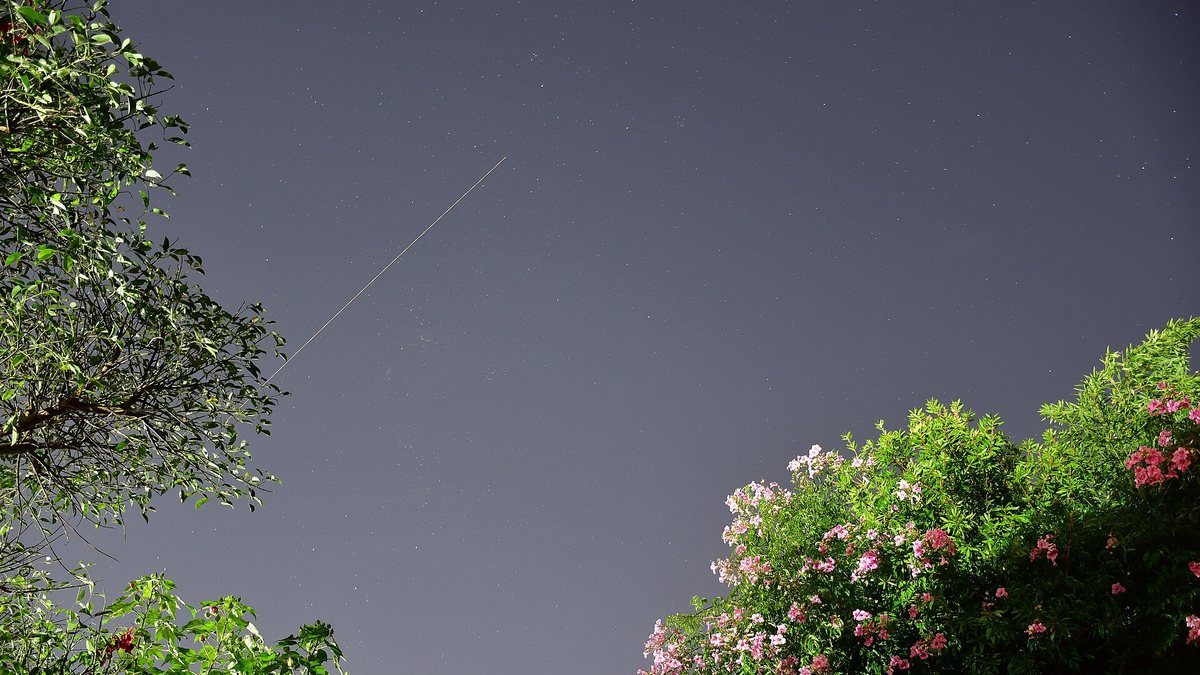
Muhammad Zeeshan Ali, a former Pakistan armed forces pilot flying as a payload specialist, entered China’s Tiangong space station on Nov. 25, 2026, becoming the first foreign astronaut to visit the outpost. He launched with commander Tang Hongbo and flight engineer Wu Yi aboard Shenzhou-24 on a Long March 2F rocket on Nov. 24 at 7:18 p.m. EST (0018 GMT Nov. 25) and docked a little over six hours later, according to the China Manned Space Agency (CMSA). Ali’s seat comes from a space-cooperation agreement China and Pakistan signed in Islamabad in February 2025; he will spend about a week aboard running joint Chinese-Pakistani experiments before returning with two Shenzhou-23 crewmates, while Tang and Wu stay for the usual six-month stint. The third Shenzhou-23 astronaut, Zhu Yangzhu, remains aboard and is set to become the first Chinese astronaut to live a full year in low Earth orbit.
Verified and unconfirmed
- Verified: CMSA announced that Shenzhou-24 lifted off Nov. 24 and that Ali arrived at Tiangong on Nov. 25, with a three-person crew; Space.com reported that his flight stems from the February 2025 China-Pakistan cooperation agreement.
- Not yet confirmed: the list of four biotechnology and materials projects and the photosynthetic cyanobacteria experiment rests on a single Times of India report, the CMSA update was read through machine translation, and no independent source confirms the planned full-year stay for Zhu or the precise duration of Ali’s return flight.
Background
The seat on Shenzhou-24 traces back to a space-cooperation agreement China and Pakistan signed in Islamabad in February 2025, which provided for flying a Pakistani astronaut to Tiangong. The two countries’ space ties predate that deal: China has launched Pakistani satellites since the early 1990s, and a Pakistani-built rover is due to fly on a Chinese lunar mission around 2028, the Guardian reported.
Why it matters
For researchers in countries without access to the International Space Station, China’s arrangement offers a concrete route: a partner government signs an agreement, its national flies as a payload specialist, and its experiments go into orbit — but on a guest slot measured in days, not the six-month rotations given to Chinese crew. Pakistan’s science teams now get Tiangong data from the joint projects, while longer-term access would depend on follow-on missions rather than this single week.
What to watch
Watch Ali’s scheduled return in about a week alongside two Shenzhou-23 astronauts, and whether CMSA confirms Zhu Yangzhu’s full year in orbit when Shenzhou-24 departs.

Comments
Comments use a GitHub account and are moderated. Comment rules