Amazon must run recalls for 400,000 third-party products after losing CPSC case
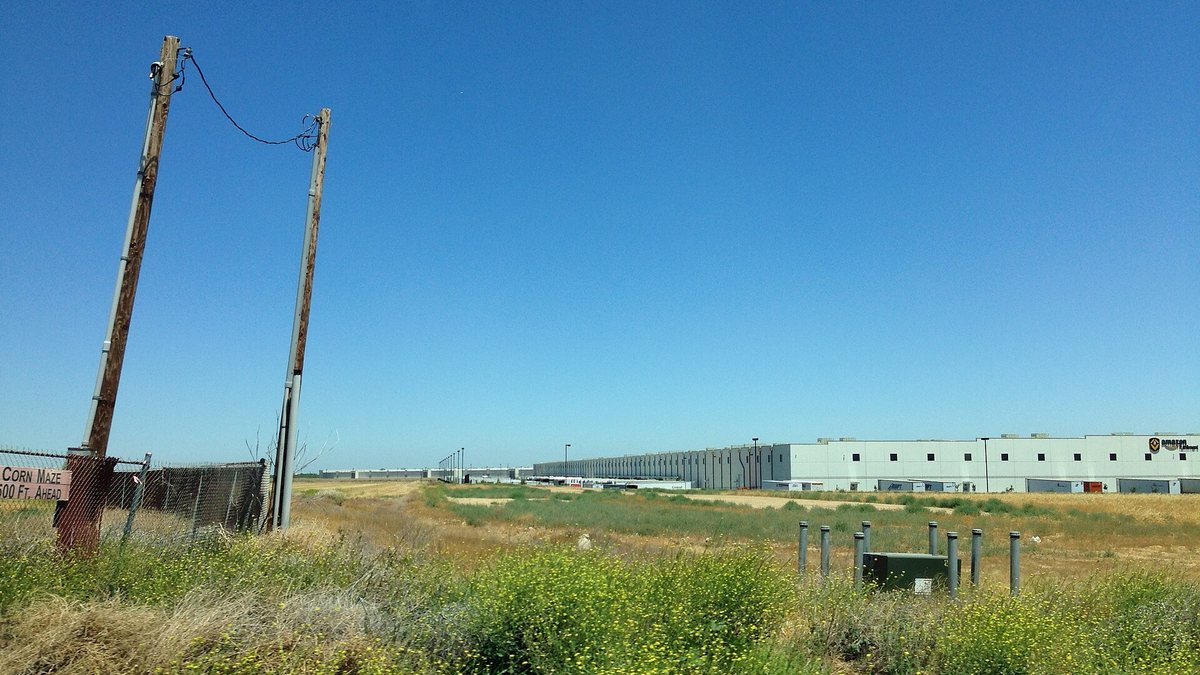
The US District Court for the District of Maryland ruled in favor of the Consumer Product Safety Commission (CPSC) in Amazon’s lawsuit against the agency, holding that Amazon is a distributor of the goods sold on its marketplace rather than merely a logistics provider. As a result, Amazon must carry out recalls for more than 400,000 “Fulfilled by Amazon” third-party products the agency says pose a “substantial product hazard,” including faulty carbon monoxide detectors and hair dryers without electrocution protection. Amazon had sued the CPSC in March 2025 to overturn the recall order. The decision comes from a federal district court, so Amazon can still appeal.
Verified and unconfirmed
- Verified: The US District Court for the District of Maryland ruled in favor of the CPSC, which announced the decision, in the agency’s case arguing Amazon is a distributor of third-party goods rather than only a logistics provider and is therefore responsible for carrying out recalls; the dispute covers more than 400,000 “Fulfilled by Amazon” products the agency deemed a “substantial product hazard,” including faulty carbon monoxide detectors and hair dryers lacking electrocution protection (CPSC, reported by The Verge). Amazon sued the agency in March 2025 after the recall order, and the CPSC had already determined in July 2024 that Amazon qualified as a distributor of such products.
- Not yet confirmed: The ruling’s full text and reasoning are not quoted, so the scope of the court’s holding beyond the distributor question is unverified; the sources give no deadlines, remedies or notification mechanics the order imposes, and Amazon has not said publicly whether it will appeal. The 400,000-plus figure rests on the CPSC’s earlier order rather than on an independently audited product count.
Background
The dispute began with a CPSC order requiring Amazon to recall more than 400,000 “Fulfilled by Amazon” items — goods sold by third-party sellers but stored and shipped through Amazon’s warehouses — that the agency deemed a “substantial product hazard.” Amazon sued the CPSC in March 2025, arguing that because it only stores and ships those goods it acts as a logistics provider rather than a distributor, and therefore is not the party responsible for carrying out recalls. The Maryland court rejected that distinction, which is what puts the earlier recall order back into effect.
Why it matters
Amazon now has to notify buyers and manage recalls itself for the affected listings instead of leaving that to the third-party sellers behind them, and the CPSC gains a court-backed basis for treating large marketplaces as distributors — a precedent that applies to any platform hosting outside sellers. Sellers whose Fulfilled by Amazon inventory falls under the order will have recalls run through Amazon’s process rather than their own.
What to watch
Whether Amazon appeals the ruling to the US Court of Appeals for the Fourth Circuit, which would put the question of marketplace distributor liability before an appellate panel.
Comments
Comments use a GitHub account and are moderated. Comment rules