Jury convicts Huawei of trade-secret theft and Iran sanctions evasion
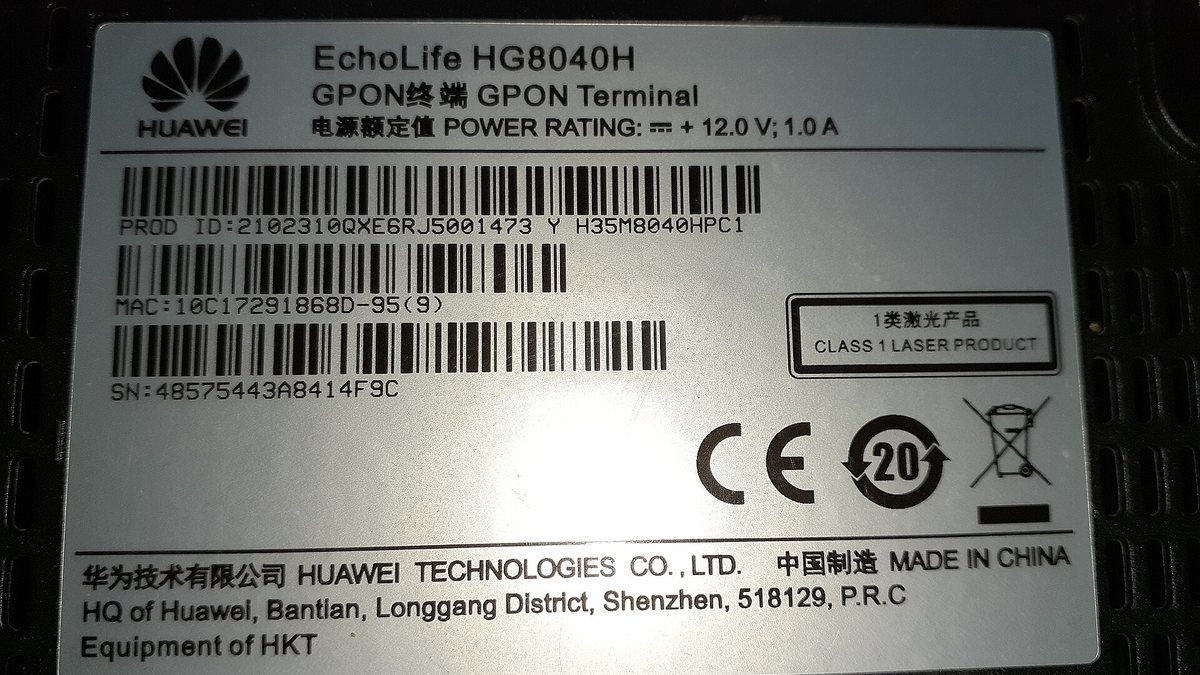
A US federal jury convicted Huawei Technologies on Tuesday of conspiring to steal trade secrets from American technology firms and of evading US sanctions on Iran, finding the company guilty on 10 of the 12 counts it faced after a trial of nearly three months, Bloomberg reported. The counts included bank fraud, wire fraud, money laundering conspiracy, conspiracy to steal trade secrets, and substantive violations of the International Emergency Economic Powers Act (IEEPA, the main US statute for imposing sanctions), according to a Department of Justice press release. The jury cleared Huawei of racketeering conspiracy — the charge that alleged a company-wide culture of cheating and stealing — and of conspiracy to obstruct justice, a point the company’s lead defense attorney, Brian Heberlig, emphasized. The charges date to a 2019 indictment tied to conduct reaching back to 2018; no penalty has been set, with a sentencing hearing scheduled for September 2027.
Verified and unconfirmed
- Verified: The Justice Department announced that Huawei and its subsidiaries were convicted on 10 of 12 counts, including bank fraud, conspiracy to defraud the US, money laundering conspiracy, trade-secret theft conspiracy and IEEPA violations; the DOJ cited theft of a T-Mobile robotic touchscreen-testing device, copying of Cisco router source code, photographing of Fujitsu equipment and use of Quintel confidential information in a Huawei patent application. Bloomberg reported the verdict followed a nearly three-month trial and that Huawei was acquitted of racketeering conspiracy and conspiracy to obstruct justice.
- Not yet confirmed: what penalties the US government is seeking, whether Huawei will appeal or contest the verdict, and when any penalties would take effect — the September 2027 sentencing date is set, but the outcome and amount remain unknown.
Background
The charges trace back to a case the US built as early as 2019, after Huawei was barred from US federal procurement in 2018; the prosecution was repeatedly delayed by the COVID-19 pandemic and by Huawei’s efforts to halt the investigation before trial. The sanctions allegations centre on Huawei’s Iran business: in 2018 its CFO Meng Wanzhou was arrested in Canada on a US warrant, and she returned to China in 2019 after admitting to the company’s illegal Iran dealings.
Why it matters
The conviction gives US authorities a jury-tested factual record against Huawei — the first time a foreign company of this scale has been prosecuted to a verdict by the DOJ in this case — which is likely to weigh on any future negotiations over export controls, entity-list restrictions or settlements; companies assessing Huawei as a supplier or partner should note that penalties will not be fixed until the September 2027 sentencing, so the compliance picture stays unresolved for now.
What to watch
The sentencing hearing set for September 2027, where the court will decide penalties after the government states what it is seeking; watch also whether Huawei appeals the conviction.
Coverage of this story
- 2026-11-25 · Tom’s Hardware: Huawei convicted of money laundering, conspiracy to steal trade secrets, and fraud by US jury
- 2026-11-25 · Ars Technica: Guilty: Huawei faces steep penalties for stealing T-Mobile, Cisco trade secrets

Comments
Comments use a GitHub account and are moderated. Comment rules