SpaceX catches Starship upper stage for the first time on Flight 15
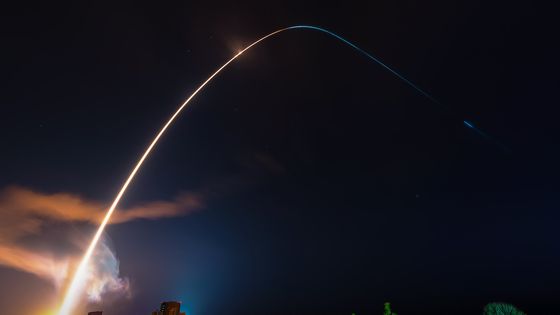
SpaceX’s Starship Flight 15 lifted off from Pad 2 at Starbase, Texas, at 5:47 p.m. EST on Nov. 13, 2026, and for the first time the launch tower caught the Ship upper stage after it spent 22 hours in orbit and re-entered, according to Space.com’s photo recap of the mission. Hot-stage separation occurred at T+2:21 minutes at roughly 40 miles (65 km) altitude, with the Super Heavy booster’s 33 Raptor 3 engines generating more than 18 million pounds of thrust at liftoff. The booster did not come back as intended: a low-fuel alarm caused it to autonomously divert to an offshore splashdown, where it exploded, instead of attempting a catch at the tower. Space.com’s launch viewing site was about four miles from the pad.
Verified and unconfirmed
- Verified: SpaceX’s mission page and Space.com both report that Starship lifted off from Pad 2 at Starbase on Nov. 13, 2026, and that the Ship upper stage was caught by the launch tower on Nov. 14 — the first such catch; CNBC and Wikipedia corroborate that this was the first upper-stage catch/landing after reaching orbit, and Space.com reports that Super Heavy diverted to an offshore splashdown after a low-fuel alarm.
- Not yet confirmed: The booster’s explosion after splashdown is described only in Space.com’s photo recap, without independent engineering assessment; the sources do not give a root cause for the low-fuel alarm, the Ship’s post-catch condition or reusability, or a date for the next flight.
Background
A tower catch means the launch tower’s chopstick arms grab the vehicle out of the air instead of it landing on legs, so the rocket can be inspected and flown again without a recovery ship. AI Daily Radar’s Nov. 15 digest reported that Flight 15’s Ship 42 spent roughly 22.5 hours in orbit, about 14 orbits, deployed all 26 of its Starlink V3 satellites, and was then caught at Starbase — the first time an orbital rocket’s upper stage has returned to its launch site and been caught, though SpaceX had caught Super Heavy boosters before. The photo recap published Nov. 16 fills in the ascent timeline and confirms that a low-fuel alarm made Super Heavy divert to an offshore splashdown rather than attempt its own catch.
Why it matters
Catching the Ship is the harder half of the reusability problem — previous flights lost the upper stage — and gives SpaceX a flown upper stage (Ship 42) back on the ground for inspection rather than at the bottom of the ocean. The booster’s low-fuel diversion means Super Heavy return-to-tower remains unproven on this flight, so full-stack reuse still depends on fixing whatever depleted the booster’s propellant margin.
Comments
Comments use a GitHub account and are moderated. Comment rules