ULA's Vulcan fails mid-flight, destroying 40 Amazon Leo satellites
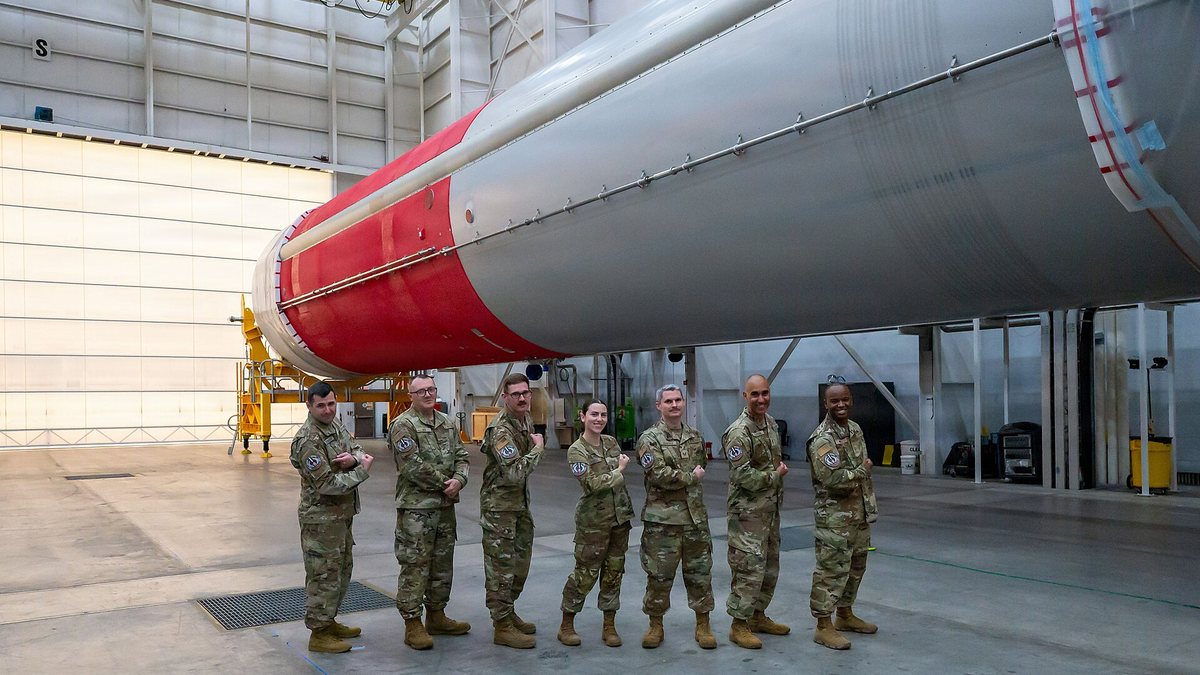
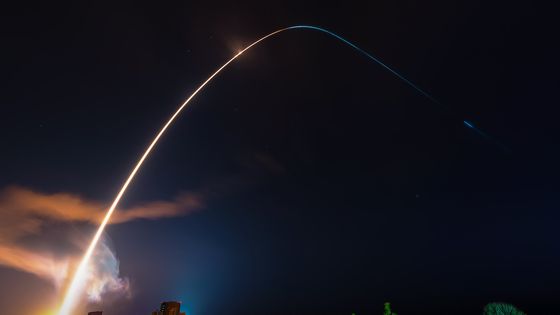
United Launch Alliance’s Vulcan rocket lifted off from Space Launch Complex 41 at Cape Canaveral on Sunday, November 15, and suffered an anomaly about 10 minutes into flight, failing to deliver its payload to orbit. The vehicle and its 40 Amazon Leo broadband satellites were lost — the first of 38 Vulcan launches Amazon has booked to build a constellation meant to rival SpaceX’s Starlink. ULA said it has no specific data yet on the cause and will work with the customer and other organizations on an investigation and corrective action; the company called it a failure to meet its own standard of mission success. Reports citing early telemetry point to possible suspects including first-stage BE-4 engines burning longer than planned and altitude issues near staging, but no cause has been established. Vulcan is under contract for roughly half of the US military’s national security space missions in the next few years, and the failure is expected to ground the rocket for an indefinite period.
Verified and unconfirmed
- Verified: ULA said on X that its Vulcan, launched from Cape Canaveral’s Space Launch Complex 41 on Sunday, suffered an anomaly 10 minutes into flight and failed to deliver Amazon’s 40-satellite Leo mission to orbit; Ars Technica, Spaceflight Now and Wikipedia all record it as the first total mission failure in ULA’s 20-year history, and ULA said it will work with its customer to find the cause and return to flight.
- Not yet confirmed: ULA said it had no specific data yet on what went wrong, so the cause is unknown — reports that first-stage BE-4 engines burned longer than planned and that there were altitude problems near staging are described only as early suspected candidates. ULA has not said how long Vulcan will be grounded, what happens to the other 37 Amazon-booked Vulcan launches, or whether Amazon Leo’s commercial service remains on its end-of-2026 target.
Background
Vulcan is United Launch Alliance’s rocket; ULA is a Boeing–Lockheed Martin joint venture, and Sunday’s flight was the first of 38 Vulcan missions Amazon has booked for its Leo broadband constellation. Before this flight Vulcan had launched four times, twice encountering problems with its strap-on solid rocket boosters that prompted months-long reviews but still reached orbit—the kind of return-to-flight process ULA now faces again.
Why it matters
Amazon has 392 Leo satellites in orbit against the roughly 500 needed for basic global coverage, so losing 40 in one flight pushes back its transition from commercial beta to full service, which had been targeted for the end of 2026. The grounding also removes, for an unknown period, a vehicle assigned about half of US national security launch missions.
What to watch
ULA’s investigation findings and a return-to-flight date for Vulcan, and whether Amazon’s next batch of 36 Leo satellites still launches as scheduled about a week later on a European Ariane 64 rocket.
Coverage of this story
- 2026-11-15 · Ars Technica: Vulcan rocket fails during launch, dealing major blow to SpaceX competitors
- 2026-11-16 · Tom’s Hardware: Amazon’s Starlink rival sees major setback after 40 satellites destroyed in rocket failure
Comments
Comments use a GitHub account and are moderated. Comment rules