China details three uncrewed precursor missions before 2030 crewed Moon landing
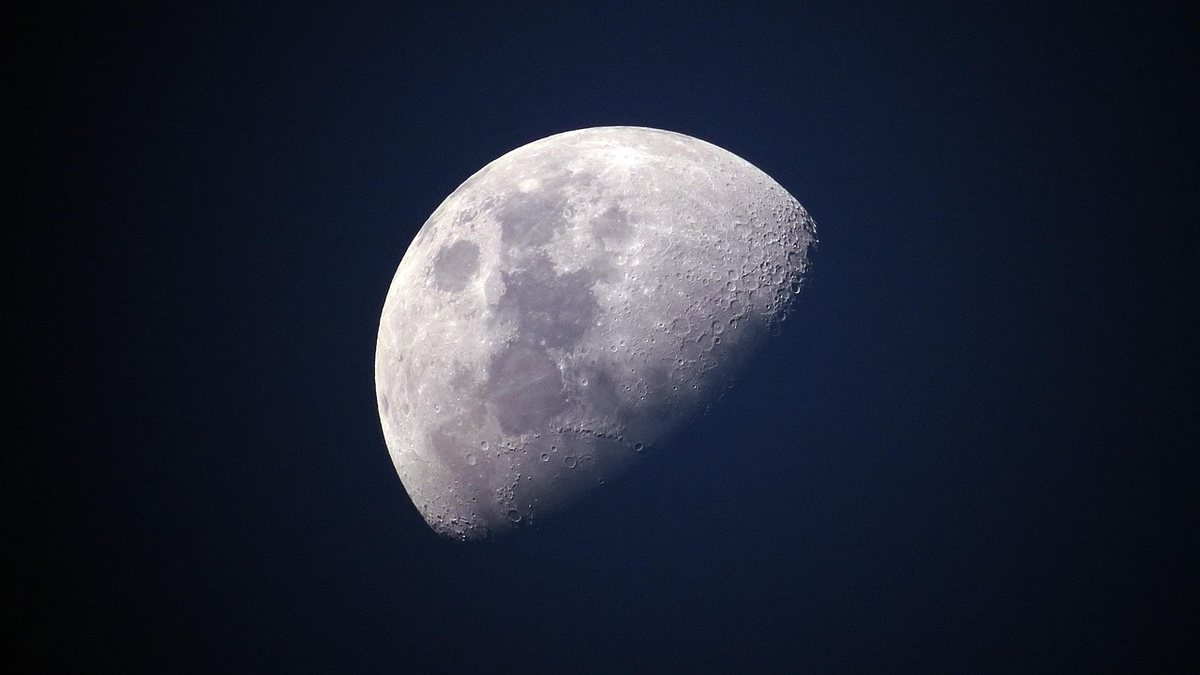
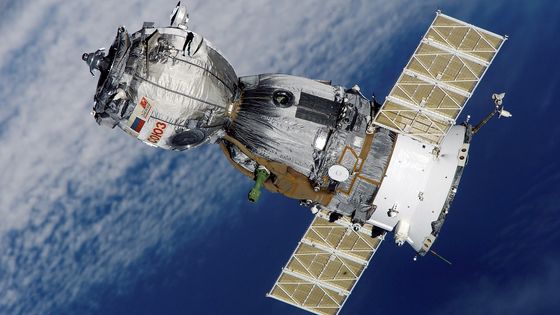
China’s human spaceflight agency has laid out its most detailed sequence yet for putting astronauts on the Moon before 2030, presented by Wang Xiang, deputy chief designer of the human spaceflight program and chief designer of the newly merged Lunar Exploration Project, at the 7th Manned Space Symposium in Beijing that opened Oct. 31. Three uncrewed missions come first: Mengzhou-1, a single-core Chang Zheng 10A flight sending an unmanned Mengzhou capsule to the Tiangong space station to validate docking and re-entry, now expected in early 2027 after slipping from 2026; then a single triple-core Chang Zheng 10 launching an uncrewed Lanyue lander to demonstrate lunar landing and ascent, likely in 2028; and finally a pair of CZ-10 launches around 2029 rehearsing the full mission robotically, including trans-lunar injection, lunar orbit docking, surface operations and return. Only after those succeed would a crew repeat the profile, with two astronauts descending while a third stays aboard Mengzhou in lunar orbit, and the lander remaining on the surface for three days with potentially daily moonwalks. Unlike Apollo or Artemis, China plans no crewed test flight beyond low Earth orbit and no lunar-orbit-only precursor before its first landing attempt, relying instead on autonomous ascent and lunar orbit docking already flown by the robotic Chang’e 5 and Chang’e 6 missions.
Verified and unconfirmed
- Verified: CMSA announced the “by 2030” crewed landing goal on May 29, 2023, and this year merged the crewed landing program with the robotic Chang’e program into a single Lunar Exploration Project; Wang Xiang presented the three-uncrewed-mission sequence at the symposium that began Oct. 31, and Chang’e 5 (2020) and Chang’e 6 (2024) did demonstrate autonomous lunar ascent and lunar orbit docking.
- Not yet confirmed: the 2028 and 2029 dates for the uncrewed lander test and the full dress rehearsal are expectations rather than firm schedules, and no hardware milestone, launch date or independent assessment of the CZ-10, Mengzhou or Lanyue vehicles is reported; the report also does not state whether the three-day surface stay and daily moonwalks change the roughly six hours on the surface described when the goal was announced in 2023.
Background
China first publicly set a crewed lunar landing goal of “by 2030” at the Shenzhou-16 pre-launch press conference in Jiuquan on May 29, 2023, when CMSA spokesperson Lin Xiqiang described two crewmembers spending roughly six hours on the surface while a third waited in orbit. Details of the architecture — the Mengzhou crew spacecraft, the Lanyue lander, a rover and an Apollo-style lunar-orbit rendezvous — followed about six weeks later at a commercial aerospace forum in Wuhan. In May 2026 the China Manned Space Agency merged the crewed landing effort with the robotic Chang’e program into a single Lunar Exploration Project, whose chief designer, Wang Xiang, presented the sequencing plan on Oct. 31.
Why it matters
Because China is skipping an Apollo 8- or Artemis II-style crewed test flight, the uncrewed dress rehearsal around 2029 carries the entire burden of proving rendezvous, docking and ascent with crew aboard — so any failure or delay in the Mengzhou-1 station flight, already pushed from 2026 to early 2027, compresses the schedule in front of a landing attempt that Chinese officials have linked to 2029.
What to watch
The first concrete checkpoint is the Mengzhou-1 launch on the CZ-10A to Tiangong in early 2027, which must validate docking and re-entry before the lunar sequence proceeds.


Comments
Comments use a GitHub account and are moderated. Comment rules