Reports: Russia may launch nuclear-armed satellite sooner than assessed
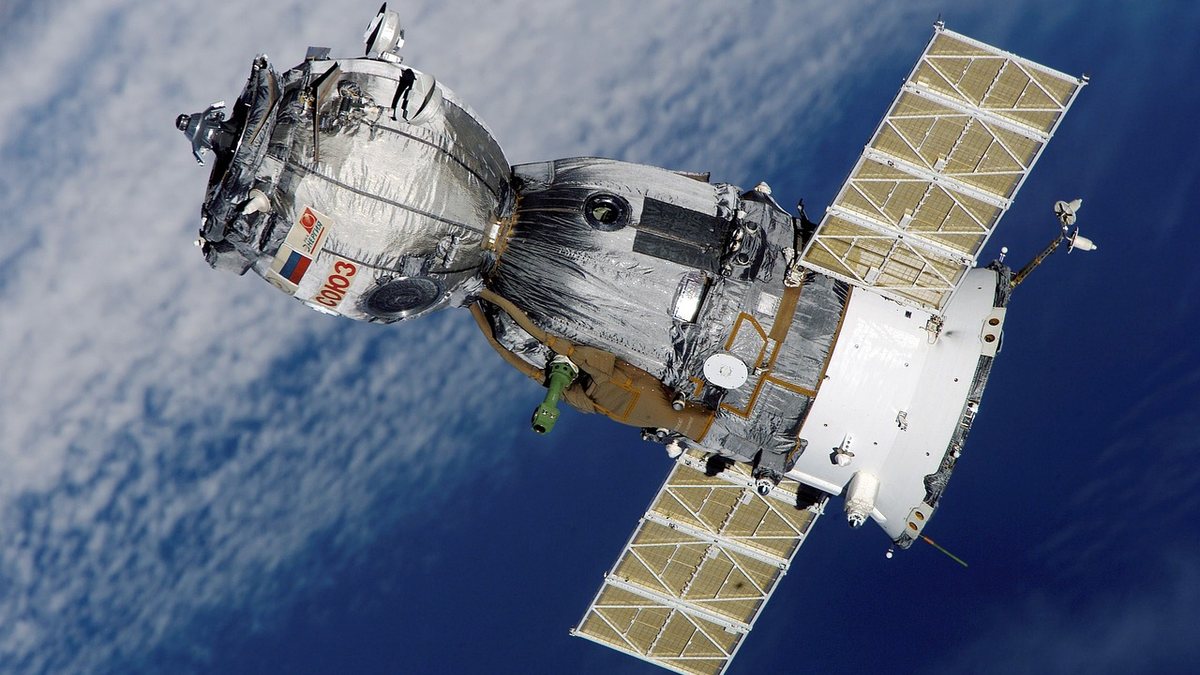
Western intelligence officials are concerned that Russia could launch a nuclear-armed satellite into orbit before the end of the year, German media reported Monday, suggesting a satellite-killing weapon of mass destruction is further along than previously thought. Such a weapon would threaten thousands of satellites in low-Earth orbit — including military and commercial constellations such as Starlink and Starshield — as well as Western surveillance satellites and crewed platforms like the International Space Station. The report offers no launch date, no technical detail on the payload, and no on-the-record confirmation from Western governments; US officials have not said a nuclear weapon has been placed in orbit. US lawmakers were first briefed on the ambition in early 2024, when officials said Russia had flown a 2022 test satellite to study radiation effects on space hardware but had not yet orbited a nuclear device.
Verified and unconfirmed
- Verified: German media reported on Monday, November 23, that Western intelligence officials believe Russia could put a nuclear-armed satellite into orbit before the end of the year, and the German government said it is taking those reports very seriously, The Guardian reported. US lawmakers were briefed in early 2024 on the program, and US officials said then that Russia had flown a 2022 test satellite to study radiation effects on space hardware but had not placed a nuclear weapon in orbit.
- Not yet confirmed: that a launch decision has actually been made or that a December launch will happen — the timing rests on anonymous intelligence assessments relayed by German outlets, including German Space Command’s view that a launch could come as early as December and the report that a satellite designated Sputnik-S has sat in storage near Moscow for years. There is no official Russian confirmation, no public primary documentation of the payload, and no independent verification of the satellite’s status or launch schedule.
Background
The alarm dates to early 2024, when US lawmakers were briefed on intelligence that Russia was developing a space-based nuclear weapon; officials said Moscow had flown a test satellite in 2022 to study radiation effects on space hardware but had not yet put a nuclear weapon in orbit. Attention then focused on Cosmos 2553, a Russian satellite that US analysts suspected was a testbed for a future nuclear anti-satellite weapon. Arms-control experts noted that deploying such a weapon would violate the 1967 Outer Space Treaty, which bars putting weapons of mass destruction in orbit.
Why it matters
There is no practical countermeasure for satellite operators: a nuclear detonation in low-Earth orbit would be indiscriminate, damaging the attacker’s own spacecraft and Chinese satellites along with Western ones, so hardening or manoeuvring is not a realistic defence for the thousands of commercial and military satellites now concentrated in LEO. That makes the timing of any launch — not the design of individual satellites — the variable operators and governments would have to react to.
What to watch
Whether a launch occurs before the end of 2026, and whether Western governments publicly confirm or revise the intelligence assessment behind the German report.
Further reading
- U.S. Warns of New Russian ASAT Program - Arms Control Association
- Is Russia’s Cosmos 2553 satellite a test for a future orbital …
- Reports : Russia may launch nuclear weapon into… - Ars Technica
- Western intelligence services say Russia could put satellite with…
- Germany taking seriously reports Russia may be planning to launch …


Comments
Comments use a GitHub account and are moderated. Comment rules