Mexico advances 4.1 GW solar pipeline across 15 states since September
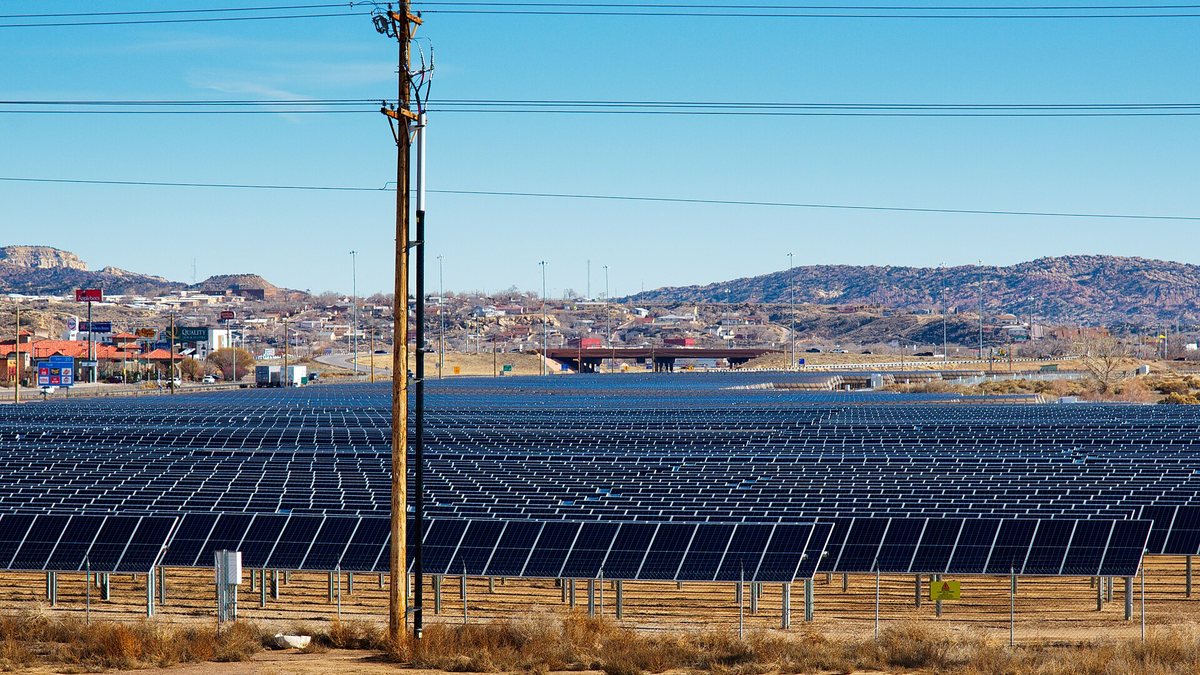
Mexico’s utility-scale solar pipeline has kept expanding since September 10, with projects moving through environmental review, permits, equipment deals and power contracts across 15 states, according to a pv magazine México review that puts the total at more than 4.1 GW. The largest items are a 621.17 MW Cerro Colorado plant in Veracruz, which received a conditional environmental authorization from Semarnat and will use 941,166 modules rated at 660 W plus 1,803 Huawei inverters; a 400 MW Teuchitlán Solar project in Jalisco, submitted for environmental assessment with a 30 MW/60 MWh battery and an estimated $150 million investment; and a 269 MW solar-plus-storage project in Coahuila backed by a 20-year power purchase agreement between Atlas Renewable Energy and mining group Industrias Peñoles, with deliveries due to start in the first half of 2029. Mexico’s National Energy Commission (CNE) also granted generation permits to three Green Park Energy projects — FV Cuquío (120.71 MWac, Jalisco), FV Villa Juárez (145.31 MWac, Aguascalientes) and FV San Diego de la Unión (156.78 MWac, Guanajuato) — each pairing solar with battery storage. Almost all of this capacity is pre-construction: disclosed timelines point to construction starts in 2027 and commercial operation between late 2027 and 2029.
Verified and unconfirmed
- Verified: pv magazine México’s project-by-project review records Semarnat conditional environmental authorizations for Cerro Colorado, Planta Fotovoltaica Campeche and Los Girasoles; CNE generation permits for the three Green Park Energy projects; a 20-year Atlas Renewable Energy–Industrias Peñoles PPA for a 269 MW solar-plus-storage project; and CFE’s own report that the 300 MW third phase of Puerto Peñasco is more than 27% built, with operation scheduled for December 2027.
- Not yet confirmed: the 4.1 GW figure is the magazine’s own aggregation of projects at very different stages, not an official registry or an operating-capacity number, and several entries are merely environmental assessment filings rather than approvals. Battery capacity is undisclosed for Cerro Colorado and for the Atlas–Peñoles project, whose official name is also withheld, and no independent cost, output or completion data exists for the announced plants.
Background
Utility-scale solar in Mexico must clear two separate regulatory gates before construction: an environmental impact assessment approved by Semarnat, the environment ministry, and a generation permit issued by the National Energy Commission (CNE). A third route exists for projects built under the Federal Electricity Commission’s (CFE) mixed-investment scheme, in which the state utility partners with private developers — the model behind the Campeche and Los Girasoles projects in this pipeline. Most of the projects counted here are still at the permitting stage, so approvals indicate projects cleared a gate rather than that construction has begun.
Why it matters
The approvals skew heavily toward solar-plus-storage and long transmission connections — Teuchitlán needs a 9.3 km line to the La Vega substation, Campeche a 26.92 km line — so developers and corporate offtakers should plan around grid-connection and permitting timelines rather than module supply, and note that several authorizations are explicitly conditional or have already forced redesigns, as with Santa Lucía Solar’s modified technical configuration.
What to watch
Whether the conditional Semarnat authorizations convert into construction: Green Park Energy has said work on FV Cuquío is scheduled to begin in June 2027, and CFE targets December 2027 commercial operation for the third phase of Puerto Peñasco.



Comments
Comments use a GitHub account and are moderated. Comment rules